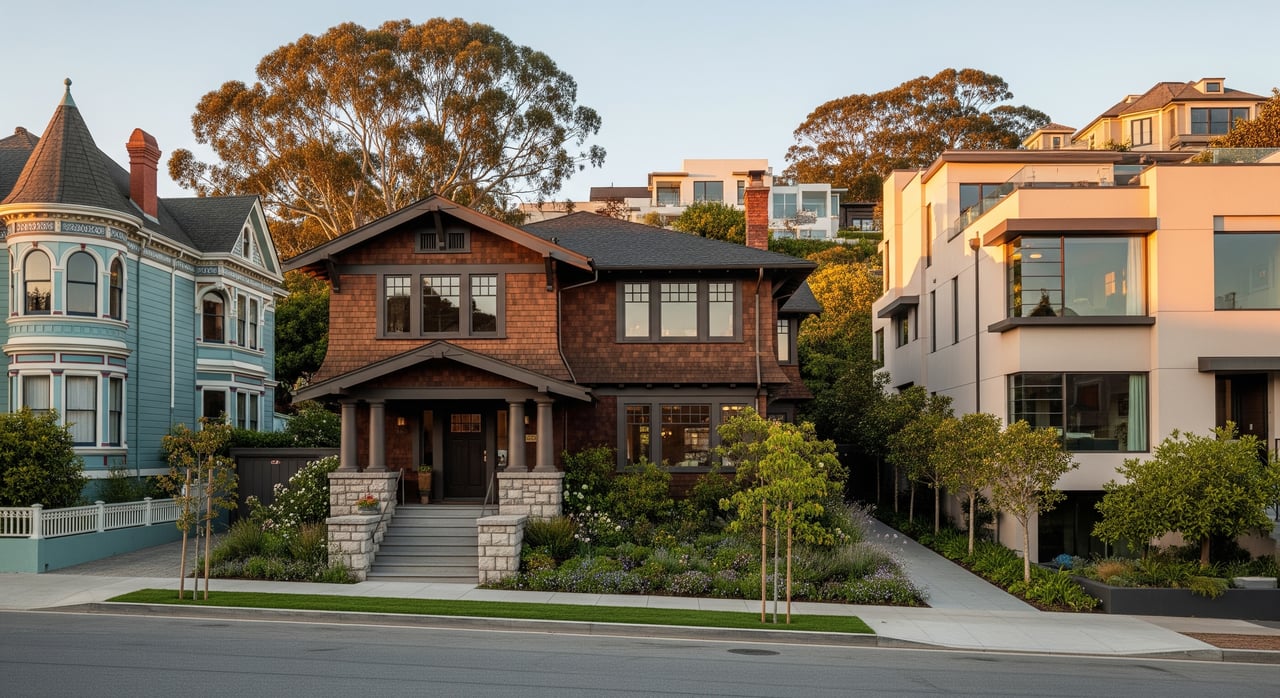
Trying to choose between North Berkeley, Elmwood, or the Hills? You are not alone. Each area offers a different mix of housing, transit, and long-term costs, which can make the search feel overwhelming. In this guide, you will learn how Berkeley’s neighborhoods compare for walkability, commute, home types, price tiers, and risk so you can focus your search with clarity. Let’s dive in.
Berkeley overview for buyers
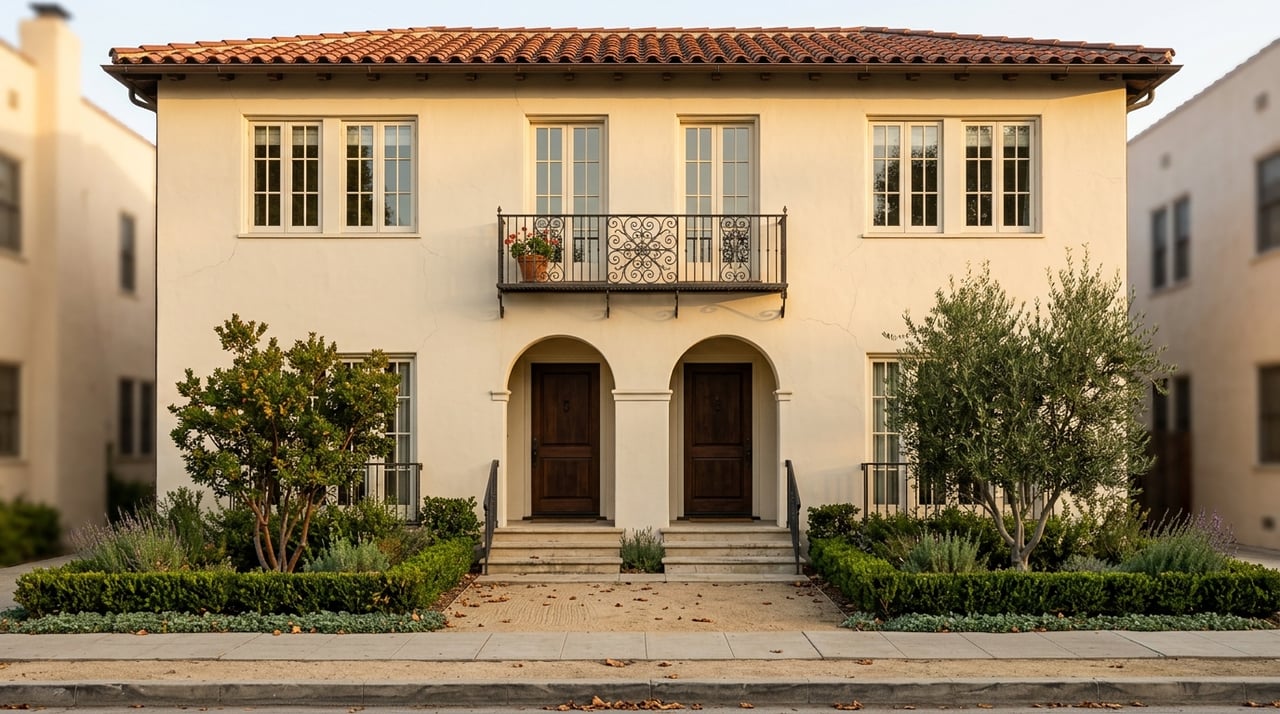
Berkeley is a city of micro-markets. Housing types shift every few blocks, and demand changes with proximity to BART, downtown retail, and hillside views. You will find everything from single-family Craftsman homes to loft-style condos, plus many duplexes and triplexes.
- Housing mix: Single-family homes are concentrated in Elmwood and the Hills. North and Central Berkeley have many condos and small apartment buildings. West Berkeley blends converted lofts with newer infill. Duplexes and triplexes appear citywide.
- Transit patterns: Downtown and North Berkeley offer the strongest BART access and walkability. Elmwood is bus and bike friendly. The Hills tend to be car oriented.
- Lifestyle fit: Professionals often favor North Berkeley and Downtown for dining and transit. Households seeking yards look to Elmwood, Thousand Oaks, and select Hills pockets. Students and investors focus on Southside and West Berkeley near UC Berkeley and employment centers.
- Risk and costs: The Hills have higher wildfire and slope considerations. Low-lying parts of West Berkeley can face localized flooding and long-term sea-level concerns. Insurance and retrofits are part of the budgeting conversation across older housing stock.
Neighborhood-by-neighborhood
North Berkeley
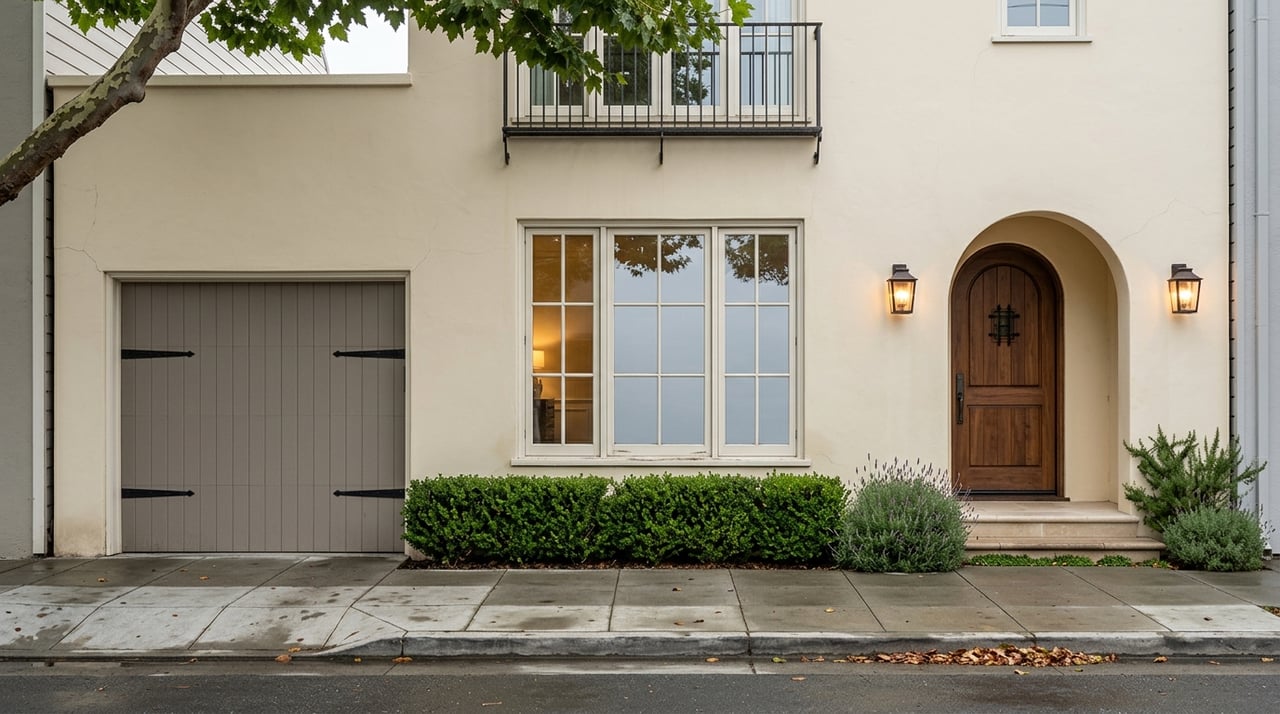
North Berkeley blends older Craftsman and early 20th-century homes with small condos and apartments. You get high walkability around Shattuck Avenue and the “Gourmet Ghetto,” plus strong access to the North Berkeley BART station.
- Housing: Mix of single-family, condos, and small buildings. Yards can be modest.
- Transit and amenities: Excellent walkability, BART nearby, strong bus links.
- Price tier: Mid to high within Berkeley, with competitive condo and small home segments.
- What to expect: Vibrant food scene, limited large yards, and parking constraints near commercial corridors.
Elmwood
Elmwood features tree-lined streets with many well-kept single-family Craftsman homes and access to shops and restaurants along College Avenue. It attracts buyers who value quiet residential blocks, yards, and a traditional single-family feel.
- Housing: Predominantly single-family with period details and established landscaping.
- Transit and amenities: Good for daily needs on College Avenue, bus access to BART, some drives to Ashby BART.
- Price tier: Generally higher for single-family homes. Inventory can be tight with lower turnover.
- What to expect: Calm side streets, a neighborhood retail core, and longer BART access than North Berkeley if you prefer walking.
Central and Downtown Berkeley
If you want a transit-first lifestyle, Central and Downtown deliver. You will find condos, apartments, and a handful of older single-family homes near Shattuck Avenue and the downtown core.
- Housing: Higher-density options, including studios and one-bedrooms.
- Transit and amenities: Downtown Berkeley BART and many bus lines, plus restaurants, theaters, and shops.
- Price tier: Condos often land in the mid to high range, with strong competition in smaller units.
- What to expect: A lively urban setting with more street activity and a greater presence of rental housing near busy corridors.
Southside and South Berkeley
Southside, just south of campus, and adjacent South Berkeley areas lean younger and rental-heavy. Duplexes and triplexes are common, and investor interest is steady due to near-campus demand.
- Housing: Many rental apartments, small homes, and multi-unit properties.
- Transit and amenities: Walkable to campus, buses to BART, and plenty of cafes and services.
- Price tier: Often lower entry prices for owner-occupied units relative to Elmwood and the Hills, with robust rental demand.
- What to expect: Livelier blocks, more turnover, parking competition, and the energy that comes with a student-oriented area.
Berkeley Hills
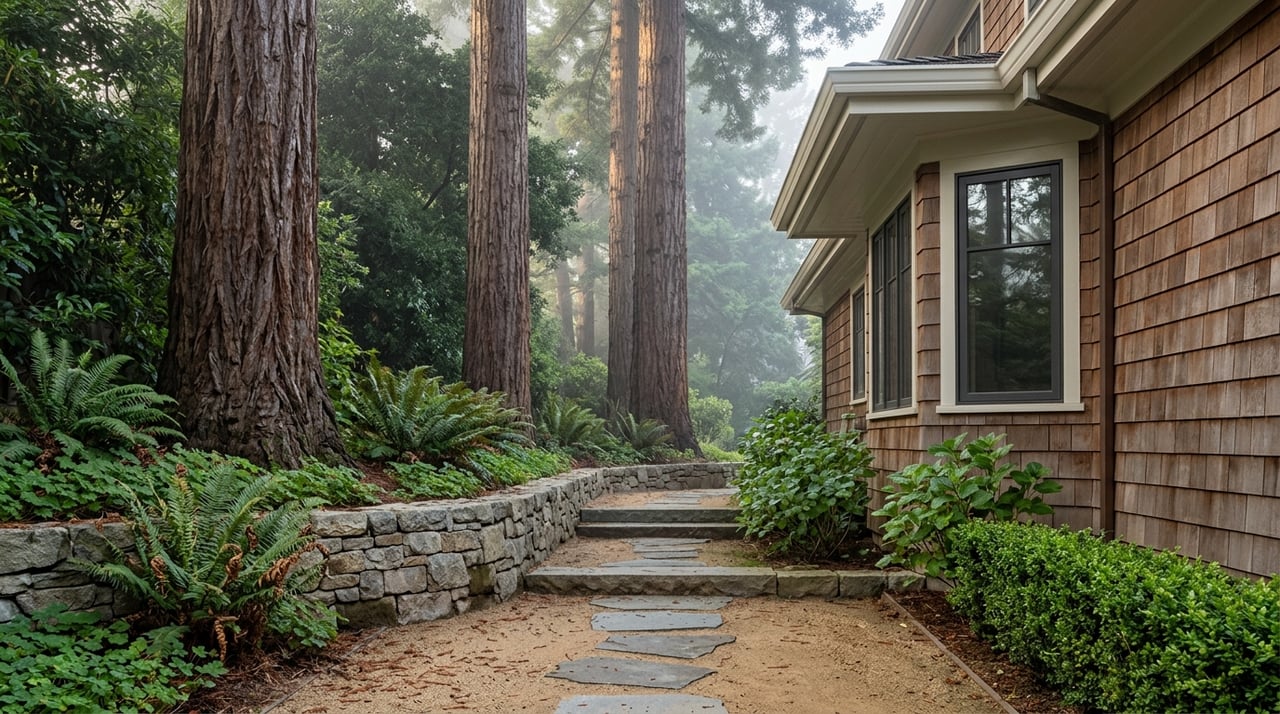
The Hills stretch across areas like Panoramic Hill, Thousand Oaks, and parts of Claremont. Expect larger single-family homes, winding streets, and view properties that command premiums.
- Housing: Distinctive architecture, bigger lots, and many homes with views.
- Transit and amenities: Lower walkability, car-oriented living, and some park-and-ride habits for BART.
- Risk and maintenance: Higher wildfire and slope considerations. Budget for insurance, defensible space, and potential seismic work.
- Price tier: Often the highest within Berkeley due to lot size, privacy, and views.
West Berkeley
West Berkeley offers a mix of modern condos, converted industrial lofts, and pockets of older homes near the waterfront and Fourth Street shopping.
- Housing: Newer infill and loft-style units alongside older single-family.
- Transit and amenities: Fourth Street is a retail draw. BART access is typically a short drive or bus ride. Easy access to I-80.
- Risk and maintenance: Some low-lying areas face localized flooding concerns and long-term sea-level vulnerability.
- Price tier: Variable. Some areas can be more attainable than Elmwood and the Hills, while newer construction and lofts may carry premiums.
Small enclaves to know
- Thousand Oaks: Hillside residential streets with yards and a calm feel, plus access to regional open space.
- Panoramic Hill: Very steep terrain, limited parking, and unique homes with dramatic outlooks.
- Claremont and Claremont Hills: Upscale homes near the Claremont Hotel area with quiet streets and proximity to Oakland.
How to weigh tradeoffs
Housing type and upkeep
- Single-family in Elmwood and the Hills: More privacy and outdoor space, higher purchase price, and potentially higher ongoing maintenance. Older homes can need seismic upgrades and, in the Hills, slope stabilization.
- Condos and attached homes in North and Central: Lower day-to-day maintenance and strong walkability, balanced by HOA fees and rules. Review HOA reserves and financials.
- Multi-unit options: Duplexes and triplexes are common, which can help offset costs with rental income. Know the local rental rules and your responsibilities as a landlord.
Commute and transit
- Best BART access: Downtown Berkeley and North Berkeley. Ashby serves southern areas.
- If you drive: Bridge traffic can extend travel times. Many buyers prefer transit-oriented neighborhoods to keep commutes predictable.
- Bus and shuttles: AC Transit lines and campus shuttles connect many pockets, useful in Southside and Central areas.
Walkability and character
- Highest walkability and retail clusters: Downtown Berkeley, North Berkeley, Fourth Street in West Berkeley, and College Avenue in Elmwood.
- Quieter residential streets: Elmwood’s interior blocks, Thousand Oaks, and many Hills streets.
Schools and household needs
- Berkeley Unified serves the entire city. Boundaries and enrollment policies can change, so verify the current map for any address.
- Many households who want yards and traditional single-family homes look to Elmwood, Thousand Oaks, and select Hills areas.
Natural hazards and insurance
- Wildfire and slope: The Hills have defined wildfire zones and landslide concerns. Plan for insurance, vegetation management, and potential retrofit work.
- Flood and sea-level: Low-lying parts of West Berkeley may face localized flooding and long-term sea-level considerations. Factor flood risk and potential mitigation into your costs.
- Earthquake readiness: Across Berkeley’s older stock, check for seismic retrofits.
Costs beyond your mortgage
- Common add-ons: HOA fees, property taxes, and special assessments.
- Insurance: Earthquake, wildfire, and flood policies may be recommended or required, depending on location and lender.
- Older-home maintenance: Roofing, foundation, drainage, and tree work often appear in inspections.
Regulations and renovation
- ADUs: State law supports ADUs, and Berkeley permits many additions with a defined process.
- Historic and design review: Some neighborhoods have landmark status or design guidelines that can add steps to renovations.
- Short-term rentals: The city regulates short-term rentals, so investors should confirm current rules before planning revenue.
Resale and investment
- Transit-proximate and walkable homes tend to hold demand well across cycles.
- The Hills maintain a premium for views and space, though the buyer pool can be narrower.
- Near-campus and near-BART locations often see strong rental demand. Confirm that tenant laws align with your financial plan before you rely on income projections.
Before you focus your search
Use this checklist to gather the right data early:
- Confirm school boundaries and current enrollment policies for any address you are considering.
- Map commute options for each location, including BART, AC Transit routes, and bike paths.
- Review recent neighborhood comps for your specific property type, ideally within the last 3 to 6 months.
- Pull neighborhood-level Walk Score and Transit Score to quantify daily convenience.
- Check hazard maps for wildfire zones, landslide risk, flood risk, and sea-level exposure.
- Line up inspections tailored to older homes, including seismic, roof, foundation, and drainage assessments.
- Get early insurance quotes for homeowner, earthquake, wildfire, and flood coverage when relevant.
Which neighborhood fits you
- You want daily walkability and a quick BART ride to San Francisco: Downtown or North Berkeley.
- You want a traditional single-family setting with yards and a calm street feel: Elmwood or Thousand Oaks.
- You want modern spaces, lofts, or newer construction with retail nearby: West Berkeley near Fourth Street.
- You want views, privacy, and proximity to open space: Berkeley Hills.
- You are exploring an owner-occupant plus rental strategy: Southside or areas with duplexes and triplexes across Central and South Berkeley.
When you are ready to compare specific blocks or property types, local nuance matters. A four-bedroom on a quiet Elmwood side street lives very differently than a condo above Downtown’s core, even at similar price points. That is where a detailed plan, neighborhood previews, and strong offer strategy give you an edge.
Ready to zero in on the right fit and move with confidence? Let’s map your search to your commute, budget, and timeline, then build a winning offer plan. Schedule a consultation with Analise Smith-Hinkley to get started.
FAQs
What are the most walkable Berkeley areas for homebuyers?
- Downtown Berkeley, North Berkeley, Fourth Street in West Berkeley, and College Avenue in Elmwood offer the strongest clusters of shops, dining, and services.
How does BART access differ across neighborhoods?
- Downtown and North Berkeley have direct station access, Ashby serves southern areas, and the Hills are generally car oriented with some park-and-ride habits.
Are Berkeley Hills homes at higher wildfire or slope risk?
- Yes. Many Hills areas lie in mapped wildfire and steep-slope zones, so plan for insurance, defensible space, and potential retrofit or stabilization work.
Where are relatively lower entry prices in Berkeley?
- Parts of West Berkeley and Southside can offer lower entry prices than Elmwood and the Hills, though affordability is relative and changes with the market.
What should I check before buying an older Craftsman?
- Prioritize seismic upgrades, roof and drainage condition, foundation integrity, and any hillside or soil considerations, plus a review of past permits and repairs.