If you have toured homes across the East Bay, you have likely noticed that similar square footage in Piedmont often lists and sells for more than nearby options. It can be hard to understand why one city commands such a gap. You deserve clear, local context so you can make confident decisions as a buyer or seller. In this guide, you will learn what drives Piedmont’s premium and how to use that knowledge to your advantage. Let’s dive in.
What makes Piedmont different
A small, independent city with limited supply
Piedmont is an incorporated, independent city that sits entirely within the boundaries of Oakland. It is a small, primarily residential municipality, which means the housing stock is limited compared with nearby Oakland, Berkeley, or Alameda. You can learn more about local governance and services on the City of Piedmont’s official site. For a snapshot of community scale and context, the U.S. Census Bureau QuickFacts is a useful starting point.
Single-family homes and larger lots
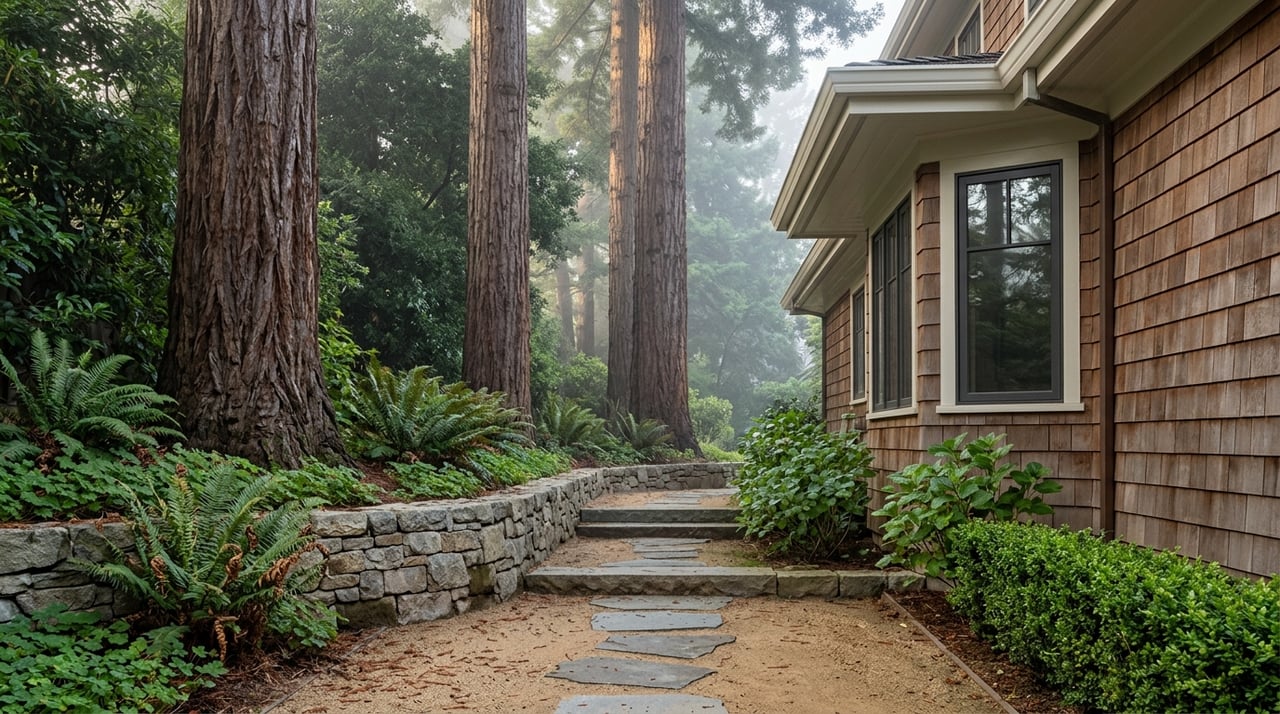
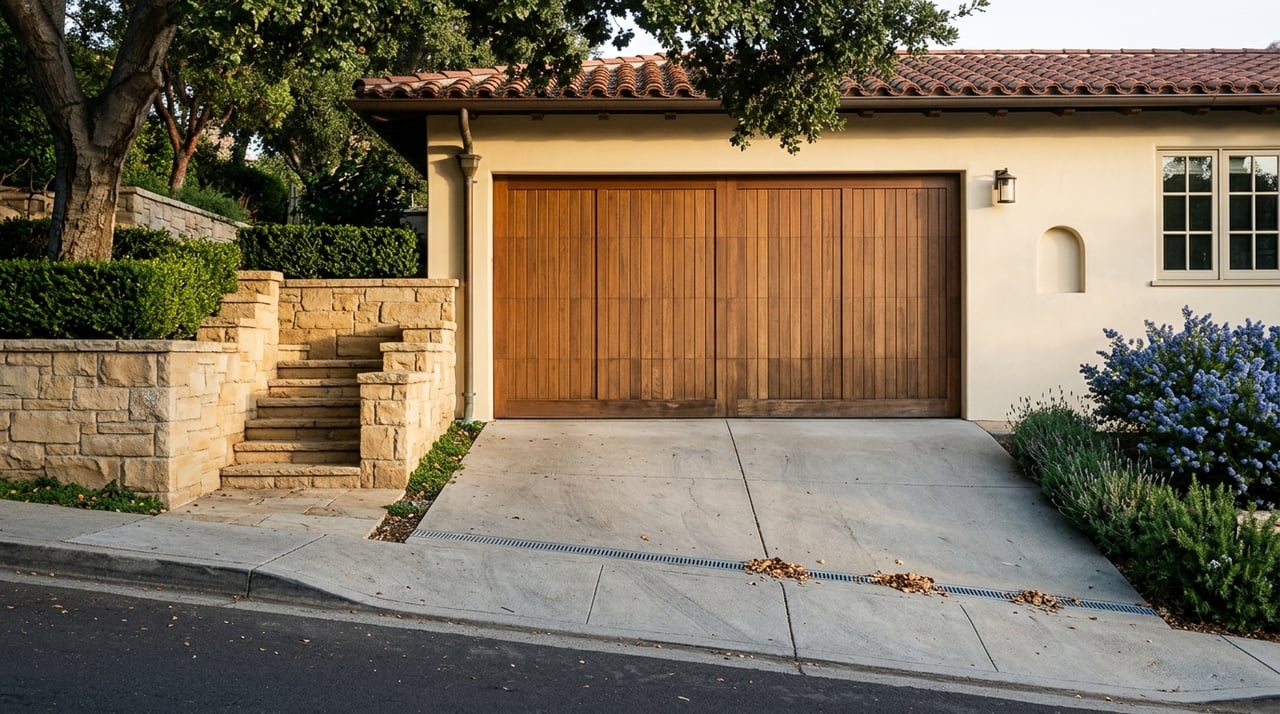
The housing stock is dominated by single-family homes, many built in the early to mid 20th century. Architectural styles like Tudor, Craftsman, Colonial Revival, and Mediterranean are common. Compared with many inner East Bay neighborhoods, Piedmont often offers larger lots and more private outdoor space. In a region where yard space is scarce, that combination drives higher willingness to pay.
Zoning, turnover, and land constraints
Piedmont’s land use is strongly residential. Historically, zoning has favored single-family homes and limited new multi-family development. With a small city footprint, established neighborhoods, and hilly topography, there are few opportunities for subdivision or large-scale infill. Add long ownership periods, and you get low annual turnover. When a desirable home hits the market, competition can be intense.
Historic character and thoughtful updates
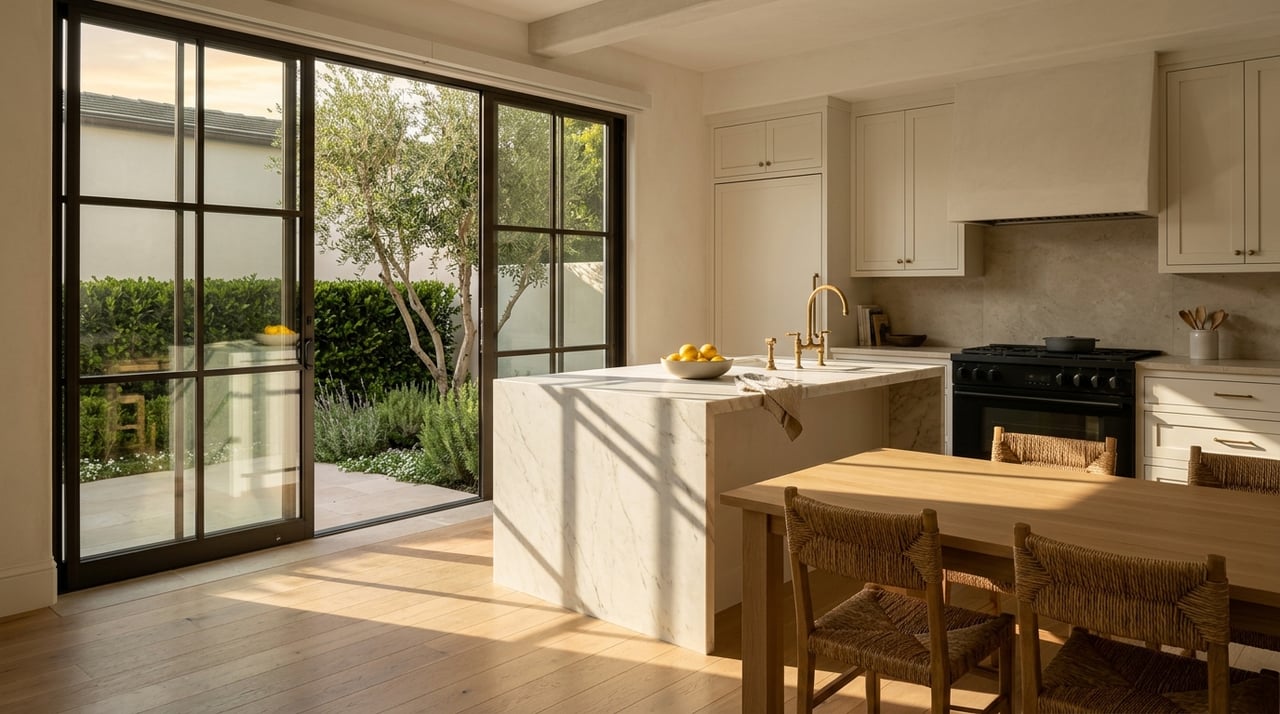
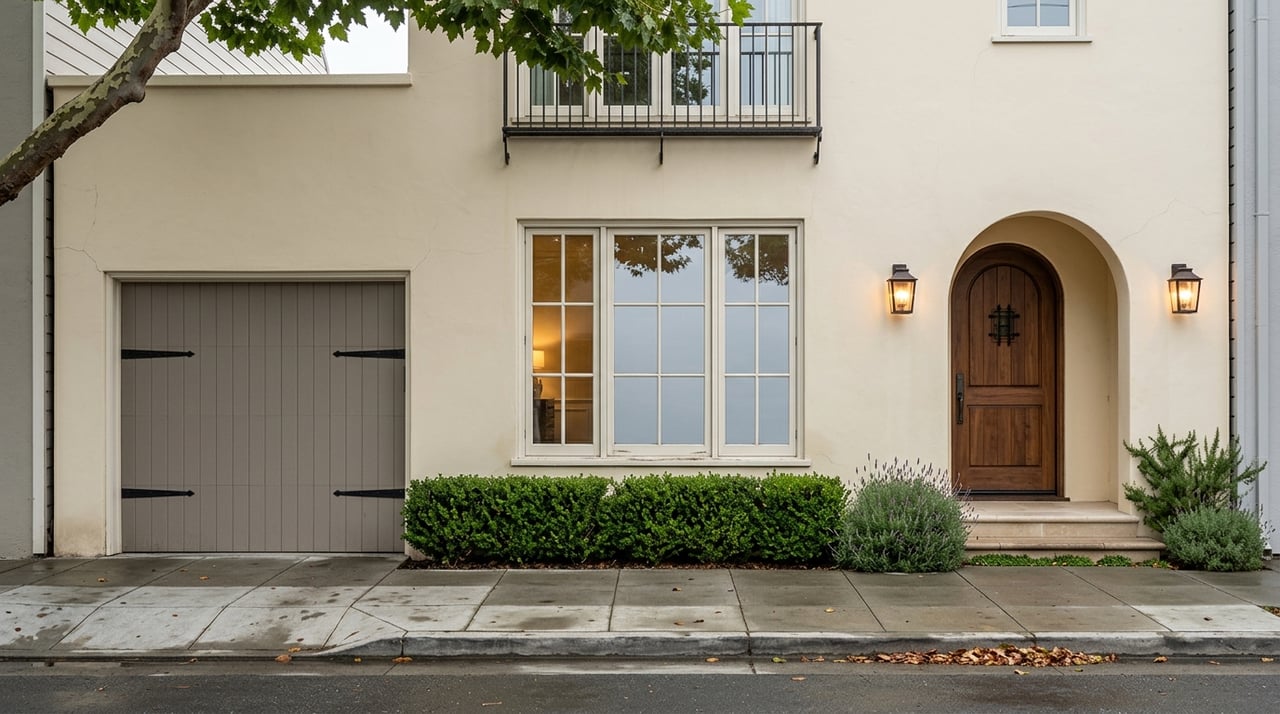
Many homes have been updated for modern living, while others keep period details that buyers value. Mature landscaping, preserved façades, and architect-designed elements contribute to both perceived and realized value. In a market where charm and craftsmanship meet functionality, buyers often stretch to secure the right property.
Services and schools that add value
Independent city services and local control
Piedmont operates its own police, fire, public works, parks, and recreation programs. Residents often value the localized control and responsiveness that can come with a small, independent city. You can explore departments and programs on the City of Piedmont website.
High-performing public schools
Piedmont Unified School District is small and widely regarded as high performing within California. Strong academic outcomes, active parent engagement, and favorable student-to-teacher ratios are key drivers for many buyers. Families frequently cite access to public schools as a primary reason they accept Piedmont’s premium. For district information and programs, visit the Piedmont Unified School District site.
Location and daily life
Near Oakland’s amenities and jobs
Piedmont offers short drives to Oakland’s commercial corridors, restaurants, and cultural institutions. You get a quieter, low-density residential environment with convenient access to city life. This blend of suburban feel close to urban energy is a major draw.
Commute and transit options
Piedmont sits within practical driving distance of BART stations and regional routes that connect to San Francisco, downtown Oakland, and other Bay Area job centers. Commute times vary by route and traffic, so plan and test your preferred path. Explore regional transit on BART’s website and AC Transit.
How Piedmont compares to nearby options
Density and lifestyle
- Piedmont: Lower density, single-family focus, larger yards, and a small commercial footprint.
- Oakland and Berkeley: More mixed-use neighborhoods, greater housing diversity, and denser commercial corridors.
- Alameda: Island community with many single-family areas, but with bridge and tunnel access patterns that differ from the mainland.
Pricing and value trade-offs
- Piedmont: Higher median prices and price per home. Buyers typically pay for lot size, access to local public schools, independent municipal services, and the scarcity that comes with low turnover.
- Nearby neighborhoods: Areas in Oakland like Rockridge, Montclair, or Redwood Heights, parts of Berkeley such as Claremont, and certain Alameda neighborhoods like the Gold Coast can offer lower costs per square foot, more frequent listings, or different housing types. The trade-offs include different school districts, higher density in some areas, or different commute patterns.
Services and governance
Choosing Piedmont means city-managed services delivered by a small, locally focused government. In larger cities, services are delivered at scale. Deciding what matters most to you helps clarify where the premium is worth it.
Buyer strategies to find value in Piedmont
Target homes with renovation upside
Cosmetic or systems updates can unlock value. Properties that need kitchen, bath, or mechanical improvements often list below turnkey comparables. If you have the patience and budget, you can improve long-term equity.
Consider smaller footprints in top locations
Smaller homes on premium lots, or properties on less prominent streets, can be materially less expensive than larger homes on marquee blocks. If you prioritize location and outdoor space, trading square footage for setting can be smart.
Watch seasonality and be offer-ready
Inventory is limited, and turnover is low. You may see small seasonal dips in competition, but when the right home appears you will need to move quickly. Prepare inspections, financing, and decision criteria in advance.
Weigh nearby alternatives
If the numbers in Piedmont do not align with your budget, evaluate adjacent neighborhoods with similar feel or access. Rockridge, Montclair, and Redwood Heights in Oakland, parts of Berkeley like Claremont, and select areas of Alameda can deliver many benefits at lower cost, with different trade-offs.
Account for long-term costs
A higher purchase price brings a higher property tax bill in dollar terms. Budget for ongoing yard and exterior maintenance that come with larger lots. Since many homes were built in the early to mid 20th century, plan for potential seismic retrofits and systems upgrades as part of your long-range ownership costs. For parcel and assessment context, the Alameda County Assessor is a helpful resource.
Seller strategies to capture the Piedmont premium
Lead with what buyers value
Make it easy for buyers to understand the benefits your property delivers. Highlight access to the local school district, city services, outdoor space, and neighborhood amenities in your marketing materials. Link to primary sources like the City of Piedmont and Piedmont Unified where appropriate.
Invest in high-ROI updates
Strategic improvements often pay off in high-demand markets. Kitchens, baths, curb appeal, landscaping, and systems work can help your home photograph and show at its best.
Stage for the local buyer profile
Emphasize floor plans that support daily life, outdoor living areas, privacy, and period details. Professional staging and photography can help buyers visualize how they will live in the space.
Price and time with precision
With low inventory, properly presented homes that are competitively priced can generate strong interest. Work with an agent who understands Piedmont comparables, micro-locations, and buyer expectations to avoid leaving value on the table.
The bottom line
Piedmont’s premium stems from structural scarcity, single-family zoning, larger lots, independent city services, a well-regarded public school district, and convenient access to regional amenities. If you are buying, you can still find value by targeting the right property, timing, and scope of improvements. If you are selling, focus on the features that matter most to Piedmont buyers and present your home at a high level.
If you want a data-backed plan tailored to your goals, schedule a consultation with Analise Smith-Hinkley. I help buyers compete with confidence and help sellers capture premium outcomes across Piedmont and the greater East Bay.
FAQs
Why are Piedmont home prices so high?
- Limited supply, larger lots and quality housing, independent city services, and a high-performing local public school district concentrate demand and support higher prices.
Is Piedmont part of Oakland or its own city?
- Piedmont is an independent incorporated city that is geographically surrounded by Oakland, with residents using services provided by the City of Piedmont.
Are there condos or multifamily options in Piedmont?
- Opportunities are very limited because the city is dominated by single-family zoning, so multifamily and condos are far less common than in neighboring areas.
How much do schools influence pricing in Piedmont?
- School access is a major driver for families, and Piedmont Unified’s reputation is one of the strongest factors that supports the area’s premium.
What nearby areas offer similar benefits at lower cost?
- Consider Oakland’s Rockridge, Montclair, and Redwood Heights, parts of Berkeley like Claremont, or areas of Alameda such as the Gold Coast for similar appeal with different trade-offs.
Do Piedmont homes appreciate faster than nearby cities?
- Appreciation varies by cycle, but high-demand enclaves with scarce supply often hold value well; outcomes depend on timeframe and broader economic conditions.