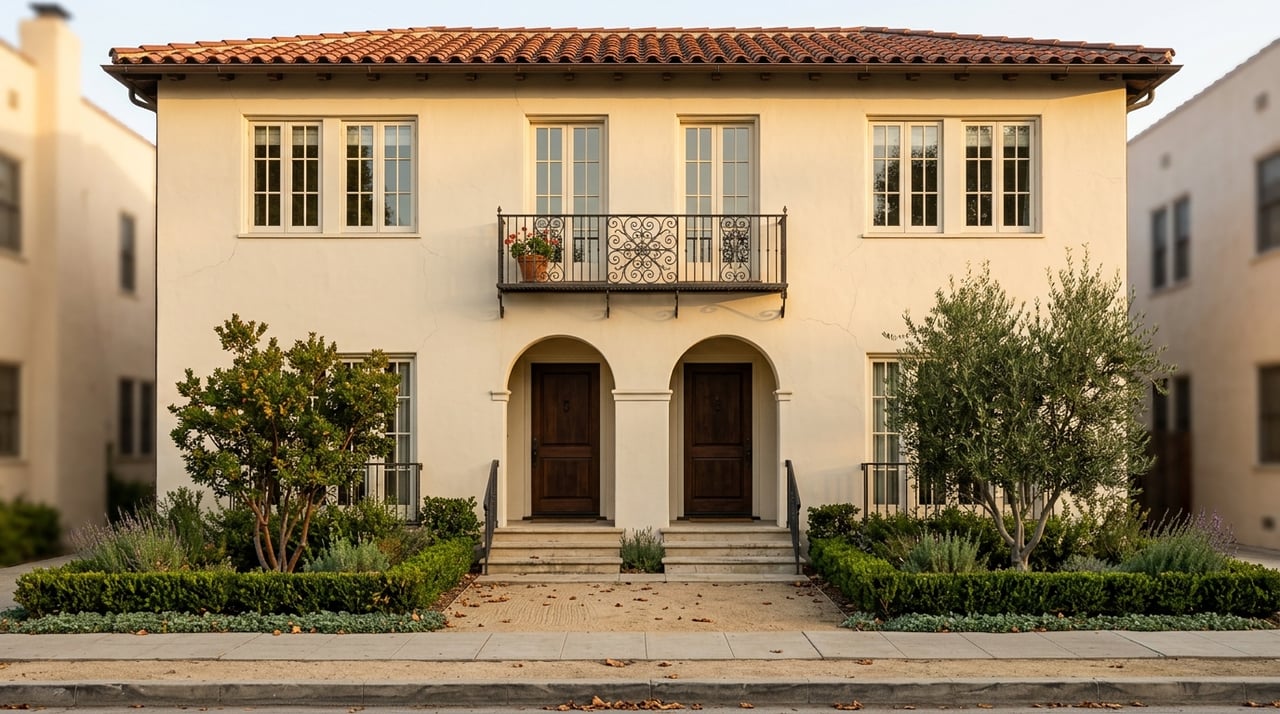
Think Oakland bidding wars are gone? Not quite. While some 2026 data points show a more balanced market, well-priced homes in the right micro-market can still attract fast, competitive offers. If you want to buy with confidence, the goal is not just to bid higher. It is to show up prepared, protect yourself where it matters, and move decisively when the right home hits the market. Let’s dive in.
Why bidding wars still happen in Oakland
Oakland is not moving at one speed. In March 2026, Redfin reported a median sale price of $870,000, median days on market of 15, and 235 homes sold. Realtor.com, using a different methodology, described Oakland as a balanced market with 1,123 homes for sale and a median of 32 days on market.
Bay East's March 2026 detached-home report for a geography that includes Oakland, Emeryville, and Piedmont showed 53 active listings, about 2.3 months of inventory, 39 days on market, and buyers paying 100% of list price on average. These numbers are not directly comparable, but they point to the same practical truth: competition in Oakland is property-specific.
That matters if you are buying here. A home in one neighborhood may sit, while another gets multiple offers in a matter of days. The smartest buyers do not rely on citywide averages alone. They prepare for the exact segment and price point they want.
Oakland is a micro-market city
Neighborhood-level data in Oakland vary widely in both listing prices and days on market. That means your strategy should change depending on the area, condition, pricing, and how the home is positioned.
In other words, you are not trying to win "Oakland." You are trying to win one specific house in one specific pocket of Oakland. That mindset helps you stay focused and avoid overreacting.
Get fully ready before you tour
The strongest offer usually starts before the offer paperwork does. If you wait until offer day to talk with your lender, gather funds, or think through your monthly payment comfort zone, you may already be behind.
CFPB notes that prequalification and preapproval are not the same, and neither is a guaranteed loan offer. It also points out that getting preapproved early can uncover credit or documentation issues in time to fix them. C.A.R. adds that preapproved and cash buyers often have an advantage because they show stronger financial readiness.
What to have ready
Before you seriously pursue a home, make sure you have:
- A current preapproval letter
- Proof of funds for your down payment and closing costs
- Proof of any extra cash you may need for an appraisal gap
- Updated income and asset documents for underwriting
- A clear monthly payment range you are comfortable with
CFPB also notes that you can compare multiple Loan Estimates and do not need a signed purchase agreement to do so. That gives you a chance to understand your financing options before you are under pressure.
Focus on clean terms, not just price
A winning offer in Oakland is not always the highest one. In many cases, it is the offer that feels most likely to close smoothly.
California's standard residential purchase agreement can include contingencies for financing, appraisal, investigation, seller documents, preliminary title, common-interest issues, and leased or leased-item concerns when applicable. Those protections matter because they give you specific cancellation rights if something important changes.
Why contingencies matter
C.A.R. explains that contingency removal is not automatic after 17 days. If you do not remove a contingency in writing, a seller can issue a Notice to Buyer to Perform and may cancel if you still do not act. That is why timing, clarity, and preparation matter so much.
In practice, a strong offer often balances two goals:
- Giving the seller confidence that you can close
- Keeping the protections you truly need
That is one reason shorter contingency periods can be appealing. You may be able to preserve some protection while still signaling certainty. Waiving everything, on the other hand, can create much more risk.
Use escalation clauses carefully
Escalation clauses can make sense in a multiple-offer situation, but they are not automatic wins. C.A.R. cautions that if your clause includes a cap, it can reveal your maximum willingness to pay.
That is important because once your ceiling becomes visible, your negotiating position can weaken. You may still lose, or you may win at a higher number than you hoped.
Know the risk before you escalate
C.A.R. also warns against vague appraisal-gap language, such as promising to pay a fixed amount above appraised value without precise contract wording. Ambiguity can create enforceability issues and confusion later in the transaction.
If you are considering an escalation clause or appraisal-gap commitment, make sure you understand:
- Your true maximum budget
- How much cash you can bring if the appraisal comes in low
- Whether the contract language is clear and specific
- Whether the home still makes sense at that price
The key is simple: do not let urgency decide your ceiling.
Review disclosures early and fast
In a competitive Oakland market, disclosure review is not something to leave for later. California sellers still owe buyers key disclosures, including the Transfer Disclosure Statement, Agency Relationship Disclosure, preliminary title report, and financing disclosures.
California law is especially clear on one point: waiver of the TDS requirement is void as against public policy. So even if a property is marketed as as-is, disclosure review still matters. In fact, it matters more.
What as-is really means
An as-is sale does not erase disclosure duties. It also does not mean you should skip due diligence or rely only on listing remarks.
California agents have a duty to visually inspect accessible areas of residential property and disclose material facts they observe. For you as a buyer, that means the smartest move is to read the disclosure package early, inspect quickly when appropriate, and make decisions based on verified property details rather than bidding-war emotion.
Watch the Oakland-specific issues
Some of the biggest deal points in Oakland are not obvious from a listing photo. They can affect cost, timing, and how cleanly a transaction closes.
That is especially true when you are moving quickly in a multiple-offer setting. A polished offer is only helpful if the property-specific details still make sense after acceptance.
Sidewalk certification
Oakland's Sidewalk Certification rules state that sidewalk repairs must be completed at the time of title transfer. The ordinance applies to both buyers and sellers.
If repairs cannot be finished before closing, a provisional certificate may allow a 120-day extension. This can affect repair negotiations, credits, and closing timelines, so it is worth checking before you write.
Private sewer lateral compliance
Oakland property owners are responsible for the sewer lateral. The city requires a Sewer Lateral permit for PSL inspections, and EBMUD issues Regional Private Sewer Lateral Compliance Certificates.
EBMUD also notes that certain Oakland properties need a compliance certificate when title is transferred, when the water meter size changes, or during some remodeling situations. In a bidding war, this is the kind of detail that can become expensive if you discover it too late.
Wildfire and hillside considerations
If you are buying in the Oakland Hills, wildfire compliance may be part of the real cost of ownership. The city says the Wildland-Urban Interface fire area is inspected each year, and parcels in the WUI or Very High Fire Hazard Severity Zone must maintain defensible space.
The city also notes that it inspects around 26,000 parcels in the WUI area during each vegetation-management season. For hillside homes, that can affect your maintenance planning, risk tolerance, and overall budget.
A practical strategy for winning
When you strip away the noise, most successful Oakland bidding-war strategies come down to preparation, clarity, and restraint. You want enough leverage to compete, but not so much that you create unnecessary exposure.
A practical approach often looks like this:
- Get fully preapproved before the right home appears.
- Understand your top budget and monthly payment comfort range.
- Review disclosures as early as possible.
- Move quickly on inspections and property questions.
- Write the cleanest offer you can without giving up protections you truly need.
- Evaluate Oakland-specific items like sidewalk, sewer, and wildfire issues before you stretch.
This is especially important in a market where not every listing is equally competitive. You do not need to overpay on every home. You need a tailored strategy for the home in front of you.
The real goal is not just winning
Winning a bidding war feels great, but acceptance is not the finish line. The better goal is getting into contract on a home you still feel good about after the adrenaline wears off.
That means understanding the local market, the contract structure, and the Oakland-specific details that can change your true cost. A smart offer is confident, but it is also grounded. That balance is often what helps buyers move quickly without making a rushed decision.
If you are planning a move in Oakland, working with someone who understands East Bay micro-markets, disclosure strategy, and competitive offer structure can make the process feel a lot more manageable. If you want a data-driven, local approach to your next purchase, connect with Analise Smith-Hinkley.
FAQs
How competitive is the Oakland housing market for buyers?
- Oakland is not uniformly competitive, but 2026 data show that well-priced homes can still move quickly and attract multiple offers depending on the neighborhood, price point, and condition.
What should Oakland buyers do before a home goes live?
- Oakland buyers should have a current preapproval letter, proof of funds, updated financial documents, and a clear payment comfort range before the right listing appears.
Is waiving contingencies smart in an Oakland bidding war?
- Sometimes buyers waive contingencies, but California contract rules show that contingencies are a buyer's key protections, so removing them entirely can add significant risk.
Do escalation clauses help Oakland buyers win multiple offers?
- Escalation clauses can help in some multiple-offer situations, but they do not guarantee success and may reveal the highest price you are willing to pay.
Does an as-is sale remove disclosures for Oakland homes?
- No. California sellers still have disclosure obligations, and the Transfer Disclosure Statement requirement cannot be waived.
What Oakland-specific items should buyers check before writing an offer?
- Buyers should review the seller disclosure package and check sidewalk certification, private sewer lateral status, and wildfire zone or defensible-space requirements when relevant to the property.