If you are drawn to the idea of redwood groves, winding neighborhood streets, and a true downtown that still feels small-scale, Mill Valley probably already has your attention. It is the kind of place where daily life can include trail access, errands in the village core, and a commute plan that matters just as much as the view from your living room. If you are wondering whether the lifestyle matches the price, this guide will help you understand what living in Mill Valley is really like. Let’s dive in.
Mill Valley at a Glance
Mill Valley is a compact city in Marin with about 13,904 residents across 4.78 square miles, located roughly 14 miles north of San Francisco. The city describes itself as primarily suburban, with neighborhoods shaped by its shift from a historic mill town into a modern full-service city.
It is also a market with significant buying power. Census data show a median household income of $206,212, and 75.8% of adults hold a bachelor’s degree or higher. In practical terms, that helps explain why housing in Mill Valley is expensive and highly competitive.
Downtown Gives Mill Valley Its Center
One of Mill Valley’s biggest lifestyle advantages is that it has a real downtown. According to the city’s General Plan, downtown centers on Lytton Square and Depot Plaza, with one- and two-story buildings that create a small-village feel.
That downtown area is more than just a shopping district. The city identifies it as Mill Valley’s primary shopping, civic, and cultural center, which means it plays a real role in everyday life. If you value having a recognizable heart of town instead of a purely residential landscape, that is a meaningful plus.
Outdoor Living Is a Big Part of Daily Life
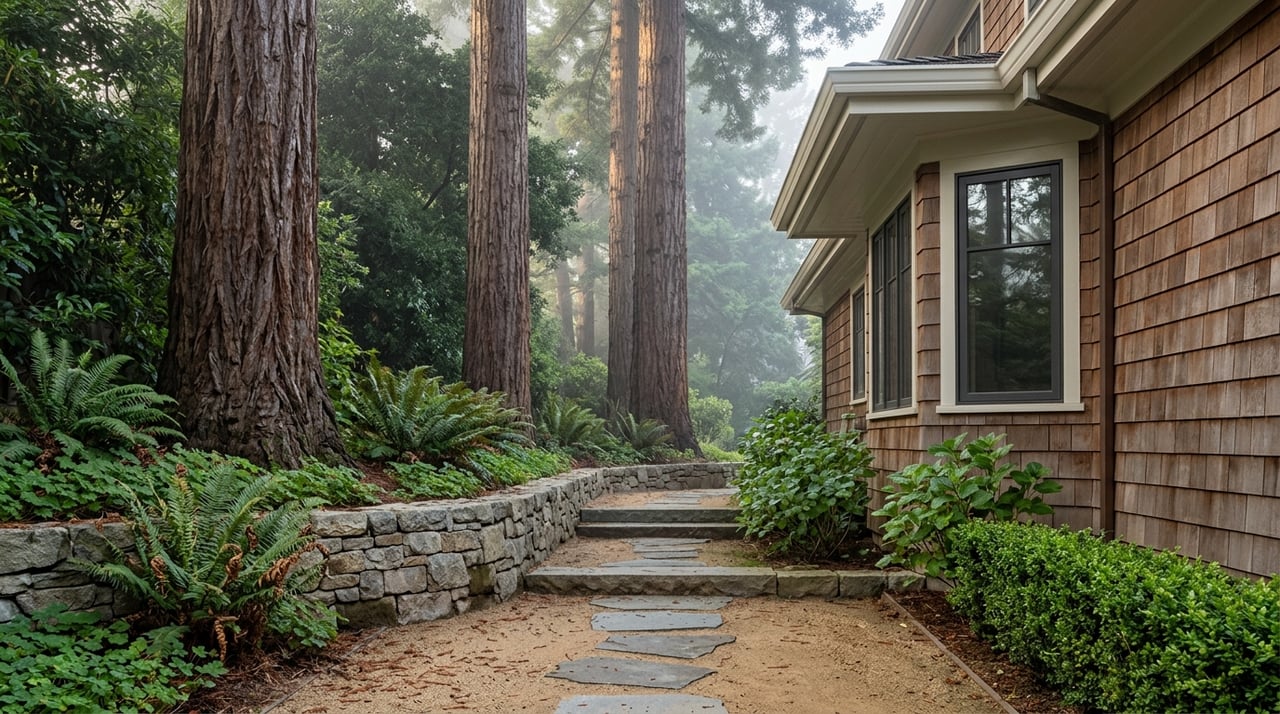
Mill Valley’s setting is one of the first things people notice. The city’s landscape includes redwoods, canyons, and the slopes connected to Mount Tamalpais, which creates a lifestyle that feels tied closely to the outdoors.
California State Parks describes Mount Tamalpais as a place of deep canyons, sweeping hillsides, cool redwood forests, oak woodlands, and open grasslands. That mix gives you a sense of the variety nearby, whether you prefer shaded forest walks or more open ridge and hillside scenery.
Muir Woods National Monument is another major outdoor anchor near town. It protects 550 acres of coast redwoods and includes boardwalk trails and trailheads that continue through the forest toward the coast. If you plan to go, reservations are required for all vehicles and shuttle riders.
Neighborhood Terrain Shapes the Experience
Mill Valley does not feel the same from one area to the next. The city’s General Plan describes canyon neighborhoods with narrow, winding roads and homes screened by redwoods, while other areas sit on more open hillsides or slopes with broader outlooks.
That variation creates a lifestyle difference you can feel. Homes in shaded canyon settings will often feel different from homes in more open hillside or bay-facing locations. If you are considering a move here, it helps to think beyond the address and focus on how the terrain affects light, access, and day-to-day comfort.
Local Parks Add Everyday Convenience
Mill Valley offers more than dramatic scenery. It also has local parks that support day-to-day living and make it easier to spend time outside close to home.
Old Mill Park sits at Throckmorton and Old Mill in a redwood grove with creek access, picnic space, an amphitheater, and a playground. Bayfront Park on Richardson Bay offers a hiking and running trail, grassy space, and soccer fields. Those are very different settings, which reflects the broader range of outdoor experiences in town.
Another detail that gives Mill Valley character is its network of historic pedestrian routes. The city says more than 175 original steps, lanes, and paths still run through town, connecting neighborhoods in ways that reflect how residents once walked to trains, ferries, schools, downtown shops, and town meetings.
Community Life Has a Civic Core
Mill Valley is not just scenic. It also has civic infrastructure that supports everyday routines and community life.
The Community Center is a major local hub located 6.6 miles north of the Golden Gate Bridge and 7.2 miles south of San Rafael. It offers classes, meeting space, an indoor pool, a water slide, fitness facilities, fields, and a community garden.
The public library sits on Throckmorton Avenue in the downtown core. The city’s Arts Commission also programs events at the Downtown Plaza, which the city describes as a public open-air plaza surrounded by local retail shops and restaurants. Altogether, these spaces help make the town feel active and connected rather than purely residential.
Commuting Is Part of the Tradeoff
For many buyers, Mill Valley’s lifestyle appeal comes with a practical tradeoff: transportation planning matters. The city says more than 55% of community emissions come from transportation, which gives you a clue about how central getting around is to daily life.
Many residents likely rely on a car, transit, or a mix of both depending on where they live and where they work. Marin Transit Bus #17 serves Mill Valley and connects Sausalito and San Rafael with the community center, and the city directs residents to Marin Commutes and 511 trip-planning resources.
If you are comparing Mill Valley with San Francisco or other closer-in locations, this is an important lifestyle question. The setting is beautiful, but your day-to-day routine may depend on how comfortable you are with a commute-oriented rhythm.
Housing in Mill Valley
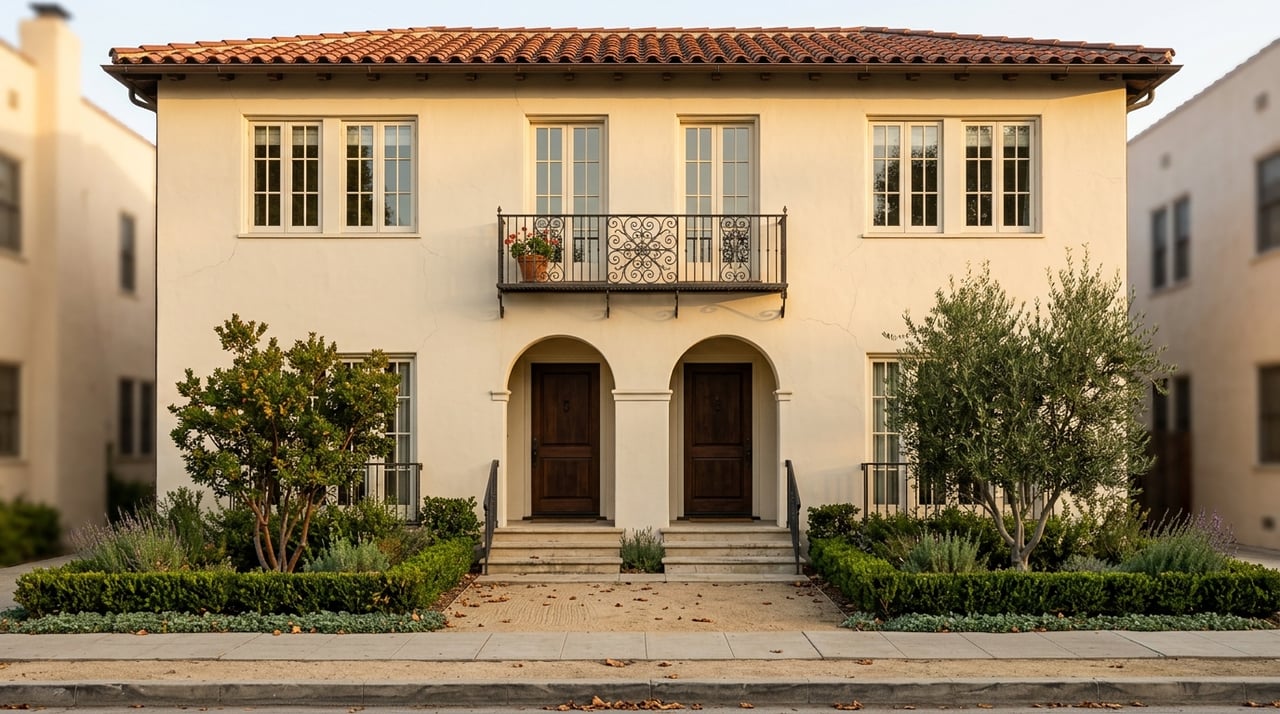
Mill Valley’s housing stock is mixed, though detached homes remain the dominant property type. The city says most housing units are single-family dwellings, while about 24% are apartments and condominiums.
That mix changes somewhat by area. The General Plan notes that downtown residential blocks include cottages, apartments, condominiums, and single-family homes, while canyon and hillside neighborhoods tend to be more lower-density and predominantly single-family.
For buyers, that means your options can look quite different depending on the part of town you target. Some areas offer more accessible entry points through attached homes, while others are defined by larger detached properties on more constrained or view-oriented lots.
Home Prices Are High and Fast-Moving
Mill Valley is an expensive market, even by Bay Area standards. Redfin’s March 2026 data put the city’s median sale price at $2,425,000, with homes selling in about 14 days and 60% closing above list price.
That pace suggests strong demand and a market where preparation matters. If you are a buyer, it helps to expect competition, especially for well-located homes that combine outdoor access, privacy, and convenience to downtown or commute routes.
Price points also vary by housing type. Redfin reports median sale prices of about $2,537,500 for single-family homes, $1,275,000 for townhouses, and $710,000 for condo or co-op homes.
That range matters because it shows how buyers may enter the market in different ways. In general, attached homes and smaller condos represent the more accessible starting point, while detached homes sit at the top end of the local pricing spectrum.
What Buyers Often Like Most
Mill Valley offers a combination that is hard to find in many places. You get redwood canyons, access to Mount Tam landscapes, local parks, historic pathways, and a downtown that still acts as a true center of town.
For some buyers, that blend is the whole draw. It feels residential without feeling isolated, and scenic without giving up every day-to-day convenience. If your ideal lifestyle includes both nature and a recognizable community core, Mill Valley stands out.
What to Think Through Before You Move
The same qualities that make Mill Valley appealing can also create tradeoffs. The housing market is costly, detached homes are especially expensive, and many daily routines involve planning around driving, transit, or both.
The terrain also affects your experience more than in flatter communities. Narrow roads, hillside settings, and canyon conditions can change how a home feels and functions from one block to the next. When you tour Mill Valley, it helps to evaluate not just the house but also the micro-location and how it fits your routine.
Is Mill Valley Right for You?
Mill Valley can be a great fit if you want a Marin lifestyle centered on outdoor access, distinctive neighborhood character, and a downtown with real civic energy. It may be especially appealing if you are comfortable balancing beauty and convenience against a high-cost, competitive housing market.
The key is to look at the city with both excitement and clarity. When you understand how the terrain, housing mix, pricing, and commute patterns work together, you can decide whether Mill Valley supports the way you actually want to live.
If you are weighing Mill Valley against other Bay Area options and want a clear, data-backed perspective, Analise Smith-Hinkley can help you think through the lifestyle, the market, and the strategy that fits your goals.
FAQs
What is daily life like in Mill Valley, California?
- Daily life in Mill Valley often blends outdoor access, local errands in the downtown core, community spaces like the library and community center, and a commute routine that may involve a car, transit, or both.
What types of homes are common in Mill Valley?
- Mill Valley is mostly made up of single-family homes, though apartments and condominiums account for about 24% of the housing stock, with more varied housing types found around downtown.
What is the Mill Valley housing market like?
- As of March 2026, Redfin reported a median sale price of $2,425,000, homes selling in about 14 days, and 60% of sales closing above list price, which points to a competitive market.
Does Mill Valley have a walkable downtown?
- Mill Valley has a defined downtown centered on Lytton Square and Depot Plaza, and the city describes it as the community’s primary shopping, civic, and cultural center.
What outdoor amenities does Mill Valley offer?
- Mill Valley offers access to parks like Old Mill Park and Bayfront Park, historic steps and pathways throughout town, and nearby natural areas connected to Mount Tamalpais and Muir Woods.
Is Mill Valley a good fit for commuters?
- Mill Valley can work for commuters, but transportation is a meaningful part of daily life, so it is smart to consider your likely mix of driving and transit before choosing a home.