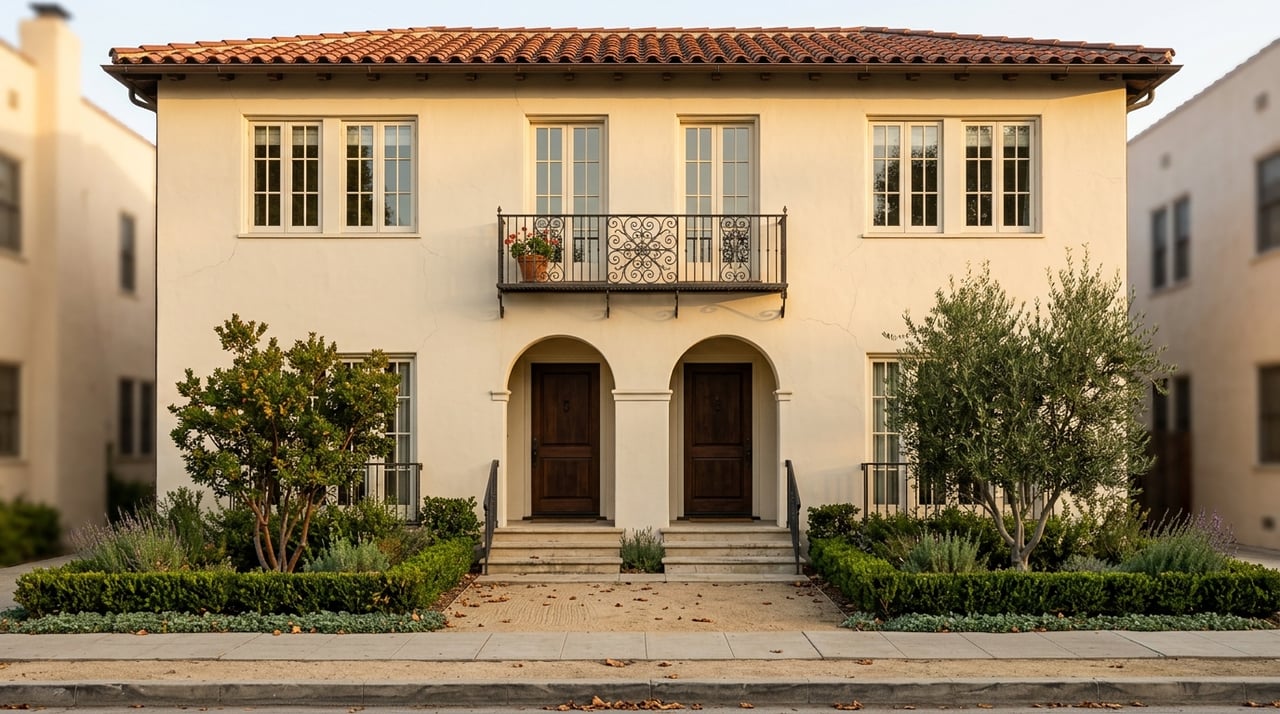
If you are eyeing a Berkeley duplex or small multifamily property, you already know the appeal: strong rental demand, a limited housing supply, and the possibility of blending income with long-term ownership in one of the East Bay’s most established markets. What makes Berkeley different is that the opportunity often sits inside older buildings, detailed local rules, and a city process that rewards careful planning over quick assumptions. In this guide, you’ll learn where Berkeley duplexes and small multifamily homes can make sense, what numbers and regulations deserve your attention, and how to evaluate a deal with more confidence. Let’s dive in.
Why Berkeley small multifamily stands out
Berkeley has a housing stock that is both compact and unusually old. In 2020, the city reported 51,523 housing units, with 20% in buildings with two to four units and 35% in buildings with five or more units. The city also notes that nearly half of all housing units were built before 1939, and the median year built was 1942.
That matters because a Berkeley duplex is rarely a simple plug-and-play investment. Many properties sit on small lots, include older systems, and operate under local rent and tenant rules that can shape everything from pricing to renovation timing. In practical terms, you are often buying an income property and a compliance project at the same time.
What demand looks like in Berkeley
Berkeley remains expensive by almost any measure, which helps explain why rental demand stays deep. The Census Bureau’s 2020 to 2024 ACS QuickFacts show a median gross rent of $2,133, a median household income of $108,092, a median owner-occupied home value of $1,413,900, and an owner-occupied rate of 44.2%.
Those figures point to a city where many households continue to rent, even as ownership prices remain high. For an investor, that can support long-term demand, but it does not automatically mean every property will perform the same way. Berkeley’s older inventory can create very different outcomes building by building.
Recent broker research reported average asking rent at the end of Q4 2025 of $2,718 per month, with vacancy around 8.0% and stronger performance near UC Berkeley and downtown. At the regional level, HUD placed rental vacancy for the Oakland-Hayward-Berkeley market at 5.4% as of January 1, 2025. Together, those figures suggest a market with meaningful renter demand, but also some softness and concessions in parts of the older housing stock.
Why unit-by-unit underwriting matters
In Berkeley, broad market averages are only the starting point. Before you get attached to projected income, you need to know how each unit is classified and what rules apply to it.
The Berkeley Rent Board says most units in multifamily properties built before 1980 are fully covered, while new construction built after June 1980 is partially covered. Most condominiums are also partially covered, and a Golden Duplex may be exempt if it was owner occupied on December 31, 1979 and still has an owner living there.
This classification affects how much rent can change and what obligations follow ownership. For most fully covered units, the rent ceiling can only change through the Annual General Adjustment or through a petition process. Berkeley’s 2026 Annual General Adjustment is 1.0%, and the Rent Board caps the formula at 5% even if inflation would otherwise support a larger increase.
That means your underwriting should not rely on aggressive rent growth. If a seller’s pro forma assumes quick resets, you will want to compare that assumption against the actual unit status, rent ceiling history, and registration records.
Berkeley rules to model before you buy
Rent registration requirements
If you buy fully covered units, registration is not optional. The Rent Board says owners of fully covered units must register new tenancies within 15 days. For tenancies that start on or after December 20, 2024, landlords must also provide written notice of the ordinance, petition rights, and any exemption status.
This is more than paperwork. The city states that failure to register can be used as a defense in an eviction case. That makes pre-closing diligence on registration records a basic risk-management step.
Just-cause protections
Berkeley’s just-cause protections apply broadly to most rental units, including rent-controlled units, new construction, single-family homes, Housing Authority units, and Section 8 units. If you are planning an owner move-in or a qualified relative move-in, Berkeley has additional local conditions.
For example, the city requires that there be no vacant comparable unit on any Berkeley property owned by the landlord during the 90 days before the vacancy notice. This is one reason Berkeley investors benefit from a very literal review of intended use before making an offer.
State rules still matter
California’s Tenant Protection Act still shapes the background legal framework. In general, the law caps rent increases at 10% total or 5% plus CPI, whichever is lower, and owner-occupied duplexes may be exempt when the owner’s primary residence is the other unit.
Still, Berkeley can be stricter than state defaults. In practice, local rules and Rent Board records often matter as much as state law when you are evaluating income potential and operational flexibility.
What creates upside in Berkeley
The strongest Berkeley duplex and small multifamily opportunities usually come from precision, not from broad speculation. You may find upside in a property’s layout, legal status, infill potential, or renovation plan, but each of those needs to fit local rules.
Older buildings with clear improvement paths
Because Berkeley’s housing stock is so old, many buildings need real capital planning. The city notes that structures more than 30 years old often need roof, foundation, and plumbing work, and it expects 95% of the city’s housing stock to be more than 30 years old by the end of the planning cycle.
This means a cosmetic budget is rarely enough. If you are buying for value-add, you should expect to review deferred maintenance in detail and build reserves for system upgrades rather than relying only on visible improvements.
ADU and middle-housing potential
Berkeley has opened some meaningful paths for selective infill. ADUs are allowed on lots with existing duplex or multifamily buildings, which can create additional income potential on some sites.
The city’s middle-housing zoning rules, effective November 1, 2025, now allow duplexes, triplexes, fourplexes, courtyard apartments, and similar small-scale multifamily on most residentially zoned lots outside the Berkeley Hills fire-hazard areas. In qualifying R-1, R-2, R-2A, and MU-R locations, projects can be approved ministerially in as little as 30 days when they meet objective standards such as a 35-foot height limit, 60% lot coverage, and minimum front and rear setbacks.
That said, Berkeley is not a market where redevelopment should be treated as automatic. The best opportunities tend to be the ones where zoning potential, lot conditions, and building condition all line up.
Where friction shows up in real ownership
Slower rent growth
One of the biggest adjustments for new investors is accepting that Berkeley is not always a fast-rent-growth story. On fully covered units, annual increases can be modest, and rent ceilings follow local rules rather than investor timelines.
If your numbers only work with rapid income growth, that is usually a warning sign. Berkeley often rewards patient, well-capitalized ownership more than highly leveraged projections.
Higher operating detail
Operating costs deserve close attention here. The Rent Board states that FY 2026-27 registration fees for fully covered units are $397 per unit, due July 2, 2026, and late payments can trigger 100% penalties. Fully and partially covered units also owe security-deposit interest under the ordinance.
Those line items may look small at first glance, but they add up across multiple units and over time. In a market with tighter rent controls, accurate expense modeling matters even more.
Permit and project limits
If you plan to expand or rework a building, Berkeley’s permit rules can shape the budget and timeline. The city says additions over 600 square feet or 15% of lot area require an Administrative Use Permit. Reaching five or more bedrooms can trigger additional permit review, and a project that removes 50% or more of exterior walls and roof is treated as demolition.
These thresholds can change the economics of a renovation. A project that looks simple on paper may become slower or more expensive once permit requirements enter the picture.
Vacancy-hold costs
Holding a unit vacant for too long can carry a direct cost. Berkeley’s Empty Homes Tax applies to units vacant for more than 182 days in a calendar year, with duplexes, townhouses, single-family homes, and condominiums taxed at $3,000 per unit in the first year and $6,000 in the second and later years.
There is an exemption for some owner-occupied properties with four or fewer units when the owner has no other Berkeley residential holdings. Still, if your plan involves extended vacancy during renovations or repositioning, this is a rule to review early.
A practical Berkeley deal checklist
When you evaluate a duplex or small multifamily property in Berkeley, start with the questions that can materially change value:
- What year was the building constructed?
- Is each unit fully covered, partially covered, or exempt under Berkeley rules?
- Are the current rents aligned with legal rent ceilings and registration records?
- What deferred maintenance exists in the roof, foundation, plumbing, or other major systems?
- Are there registration fees, security-deposit interest obligations, or other local operating costs to budget for?
- Does the lot support an ADU or middle-housing infill under current rules?
- Would your renovation scope trigger additional permit review or demolition treatment?
- Is your business plan realistic if rent growth stays modest?
- Could a vacancy period create Empty Homes Tax exposure?
This kind of checklist will not replace inspections, disclosures, or property-specific legal review, but it can help you quickly separate promising opportunities from expensive surprises.
Who Berkeley duplex investing fits best
Berkeley duplexes and small multifamily homes tend to fit buyers who are comfortable with detail. You may be a house hacker looking to offset your mortgage, a long-term investor focused on durable demand, or a buyer who wants a blend of personal use and income.
The common thread is patience. Berkeley can offer compelling long-term ownership potential, but the best outcomes usually come from realistic rent assumptions, strong reserves, and a clear understanding of local rules before you close.
If you are comparing duplexes, fourplexes, or small multifamily properties in Berkeley, I can help you look beyond the headline numbers and evaluate how a specific building may actually perform. For a data-backed, property-specific strategy, connect with Analise Smith-Hinkley.
FAQs
What makes Berkeley duplex investing different from other East Bay markets?
- Berkeley duplex investing often involves older buildings, local rent regulation, just-cause protections, and detailed permit rules, so property-specific diligence matters more than broad market averages.
How do Berkeley rent control rules affect small multifamily properties?
- Most multifamily units built before 1980 are fully covered, which means rent ceilings usually change through the city’s Annual General Adjustment or petition process rather than through open-market increases.
Can you add units to a Berkeley duplex or multifamily property?
- In some cases, yes. Berkeley allows ADUs on lots with existing duplex or multifamily buildings, and its middle-housing rules can allow duplexes, triplexes, fourplexes, and similar housing types on many residential lots if objective standards are met.
What operating costs should you budget for in Berkeley small multifamily investing?
- Beyond normal repairs and maintenance, you should review Rent Board registration fees for fully covered units, security-deposit interest obligations, and the cost of maintaining older building systems.
Is Berkeley a good fit for value-add multifamily buyers?
- It can be, especially when a property has a clear renovation path, realistic reserves, and legal or zoning upside, but it is generally better suited to buyers who are prepared for slower rent growth and more compliance-heavy ownership.