Craving an easy, everyday rhythm where you can walk to coffee, pick up dinner on the way home, and catch a Bay sunset minutes later? In Albany, you get a compact, small‑town feel inside the East Bay’s urban fabric. If you’re weighing your options, this guide shows you how life here actually flows — from Solano Avenue and shoreline parks to commute logistics, schools, housing types, and what’s changing on the waterfront. Let’s dive in.
What “small-town” means in Albany
Albany is a compact city with about 20,271 residents as of the 2020 Census, which keeps distances short and daily life close at hand. Most errands cluster around Solano Avenue, the practical main street that runs into Berkeley. Neighborhood parks sit within easy reach of many homes, reinforcing that village-scale feel. For quick context, see the city’s population snapshot from the U.S. Census Bureau at the start of your research journey (Census QuickFacts).
Solano Avenue: your everyday main street
Picture compact blocks with independent shops, bakeries, cafes, and restaurants. Solano Avenue is where you run into neighbors, browse weekend markets, and sample new spots without getting in the car. The annual Solano Avenue Stroll turns the corridor into a lively, walkable festival, showing how central this street is to Albany’s civic life (Solano Avenue Stroll). If you want a true neighborhood main street, this is it.
Parks, hills, and the Bay at your door
Albany’s shoreline is an everyday escape. The Albany Bulb and adjacent Albany Beach offer dog-friendly trails, public art, and wide-open Bay views — a lot of nature for a small city (Albany Bulb). Much of the waterfront integrates with McLaughlin Eastshore State Park and the Bay Trail, making longer walks and bike rides seamless (McLaughlin Eastshore State Park). Inland, Albany Hill and Creekside Park anchor short hikes and quiet outlooks within minutes of most neighborhoods (Albany Hill & Creekside Park).
Community rhythms and local events
Beyond the big Stroll, Albany’s calendar includes smaller city-led gatherings that keep things friendly and familiar. Seasonal programs, food events, and family-focused activities usually concentrate around Solano and neighborhood parks. Volunteer culture is strong too, with shoreline cleanups, habitat days, and arts activities helping residents connect and give back. If you like being part of a hands-on community, you’ll find your place here.
Getting around: walk, bike, transit
Albany is built for short trips. Walk Score rates the city “Very Walkable” with a Walk Score of 84 and an excellent Bike Score of 91, reflecting a strong bike culture and compact blocks (Walk Score: Albany). There is no in-city BART station, but you are a quick bike or bus ride to North Berkeley or El Cerrito Plaza/Del Norte. Most commutes blend a local walk or bike with a BART hop rather than long transit lines inside Albany.
Homes and neighborhoods in Albany
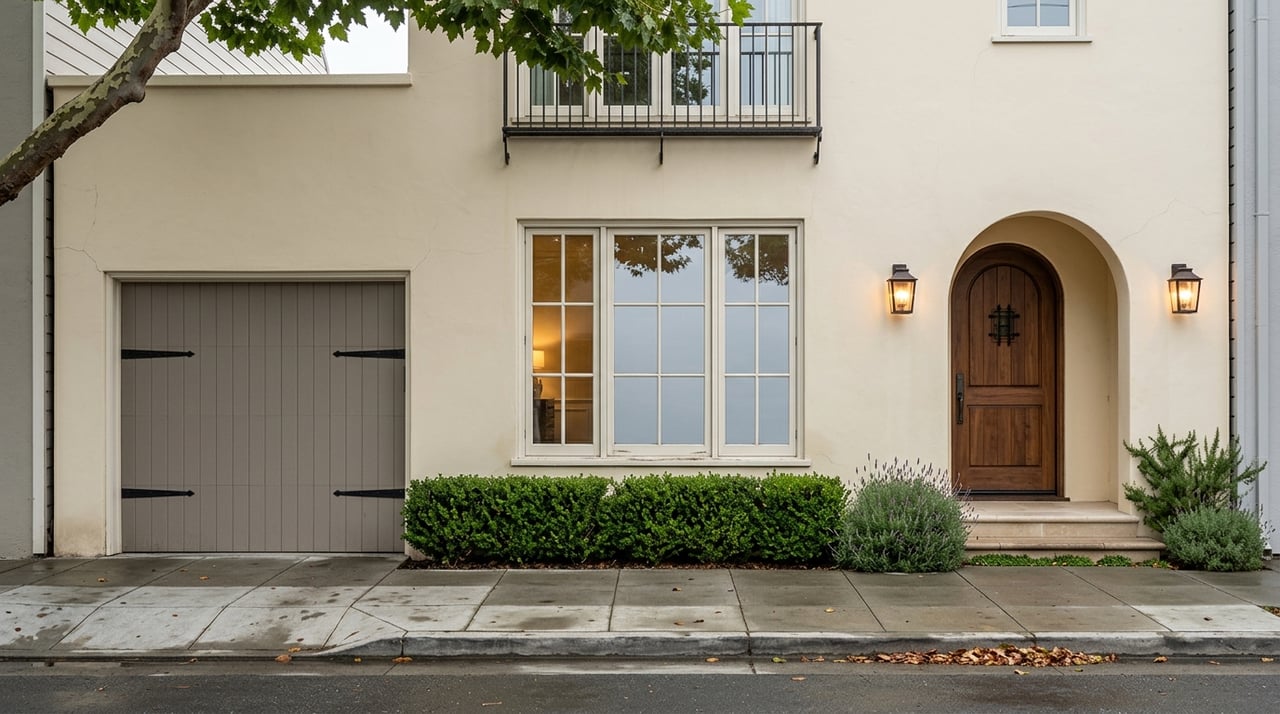
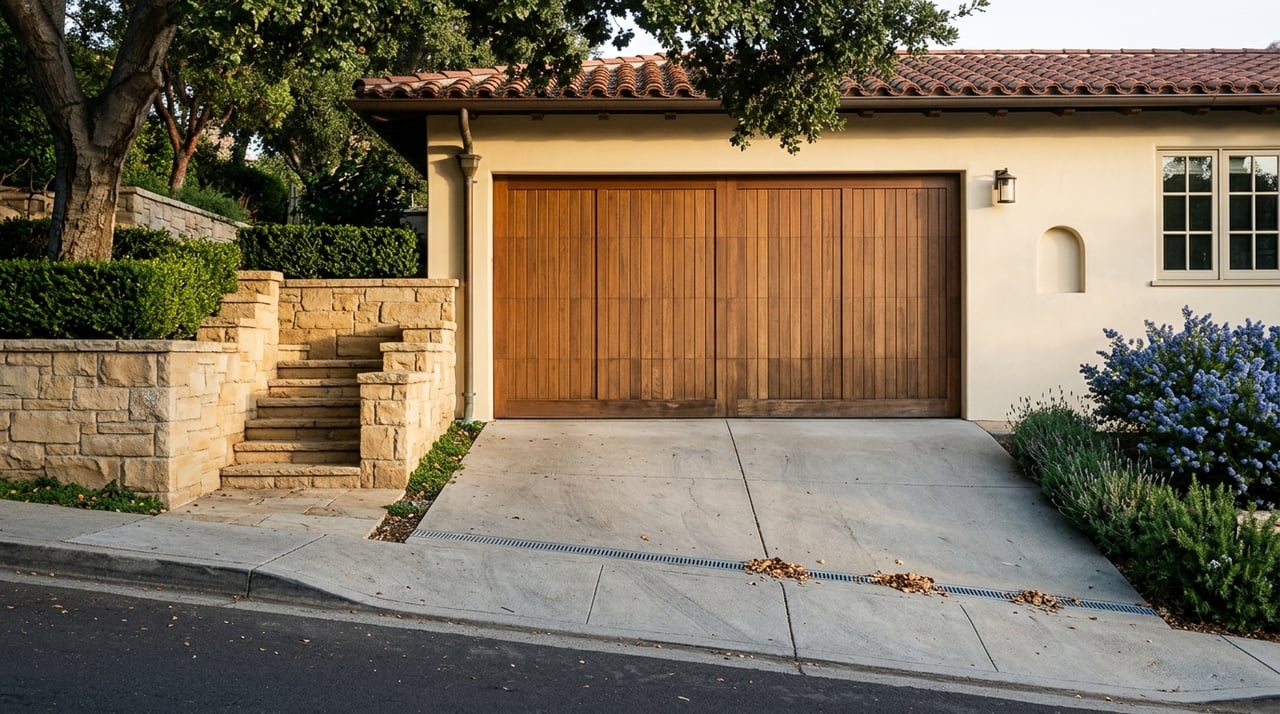
Housing here is mostly low- to mid-rise. You’ll see early-20th-century bungalows and modest Craftsman-era homes, smaller apartment buildings, and pockets of newer infill on tree-lined streets. Solano Avenue provides the commercial spine, while residential blocks stay quiet and compact. For a high-level overview of city character and housing eras, start with the general reference page for Albany (Wikipedia overview).
Schools: a compact local district
Albany Unified School District serves the city with a small, locally focused system. Families often notice the district’s scale and community presence when evaluating neighborhoods. For enrollment, calendars, and current performance information, go straight to district resources (Albany Unified School District). Use district data to compare options that fit your priorities.
Market snapshot: what buyers should know
Albany is a high-value East Bay market. As of February 2026, Zillow’s Home Value Index placed typical Albany home values around approximately $1.18M, and Redfin’s median sale price snapshot for February 2026 was about $1.55M. These are platform snapshots that change frequently, so always date your figures and confirm with current local data before you decide on an offer strategy. If you need a hyperlocal read on pricing and competition, reach out for a custom analysis.
Albany vs. Berkeley and El Cerrito
Choosing between close-by cities often comes down to scale, commute style, and street life.
- Albany: Village-scale Solano Avenue, highly walkable blocks, compact residential feel, quick access to waterfront parks and the Bay Trail (Walk Score: Albany).
- Berkeley: Larger and denser, shaped by UC Berkeley’s presence, with more restaurants and cultural institutions; population was about 124,321 in 2020, highlighting its bigger-city scale (Berkeley QuickFacts).
- El Cerrito: Mid-sized, more suburban in parts, with multiple BART stations and a different, more auto-oriented retail pattern along San Pablo Avenue.
If you want a quieter residential feel with a true main street and strong bike/walk options, Albany often fits. If you want university energy and a larger dining scene, Berkeley may call to you. If direct BART access is the top priority, El Cerrito can be the pragmatic choice.
What’s next on the waterfront
Golden Gate Fields, the racetrack spanning portions of the Albany/Berkeley shoreline, ceased racing operations following the 2023–2024 transition announcement. The property’s future is under active city and state discussions. This is a meaningful site that could shape public access, open space, and potential development. For updates and meeting schedules, track the City of Albany’s transition page (Golden Gate Fields Transition).
Is Albany a fit for you? Quick checklist
- You value a walkable main street and short daily trips.
- You like quick access to the Bay Trail, Albany Beach, and neighborhood parks.
- You are comfortable biking or busing to nearby BART stations.
- You want a compact local school district and community-centered events.
- You prefer a quieter residential scale near big-city amenities.
- You understand Albany’s price points and want data to guide your strategy.
Let’s talk Albany
If Albany’s small-town rhythm and Bay access match your goals, let’s map your next step. I pair local knowledge with data-backed strategy to help you buy with confidence and sell for strong outcomes. Have questions or want a custom market brief for your block of interest? Schedule a consultation with Analise Smith-Hinkley and let’s get started.
FAQs
How walkable is Albany’s town center?
- Albany is rated “Very Walkable,” with a Walk Score of 84 and a Bike Score of 91, reflecting short blocks and a strong bike culture (Walk Score: Albany).
Where are the closest BART stations to Albany?
- Albany has no in-city BART station; most residents bike or bus to North Berkeley or El Cerrito Plaza/Del Norte for regional rail connections.
What outdoor spaces do Albany residents use most?
- The Albany Bulb and Albany Beach for Bay views and trails, plus Albany Hill and Creekside Park for quick hikes and neighborhood green space (Albany Bulb; Albany Hill & Creekside Park).
What’s happening with the Golden Gate Fields site?
- Racing operations ceased after the 2023–2024 transition; long-term reuse is under multi-agency planning. Follow city updates on the Golden Gate Fields Transition page.
How do schools work in Albany?
- Albany Unified is a small citywide district; review enrollment, calendars, and performance details directly on the AUSD site to align options with your needs.
How competitive is the Albany housing market right now?
- As of February 2026, platform snapshots showed typical values in the low-to-mid seven figures; conditions shift often, so request a current, block-level analysis before you write an offer.