If you are thinking about buying a single-family home in San Francisco, the Richmond District deserves a close look. It offers a rare mix of classic housing stock, practical transit access, and a distinctly west-side feel that is different from many denser, more central neighborhoods. If you want to understand what you are really buying here, from lot patterns to pricing to inspections, this guide will help you walk in prepared. Let’s dive in.
What Richmond homes are usually like
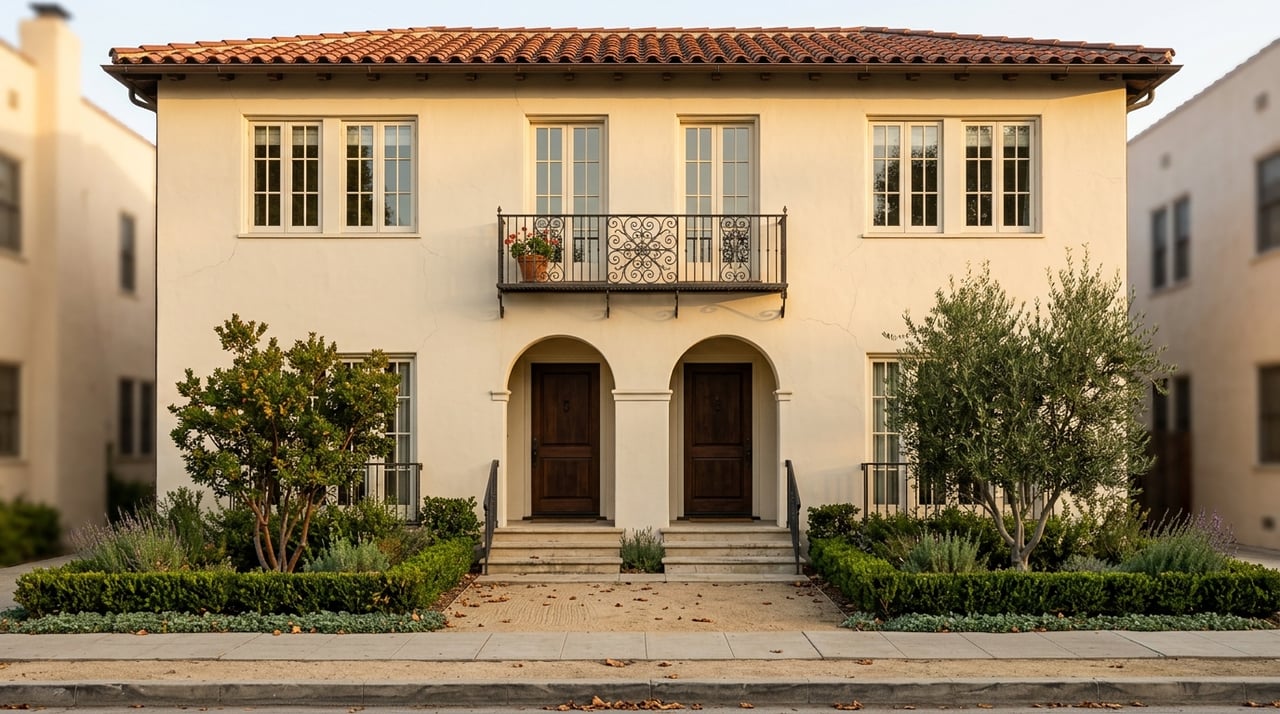
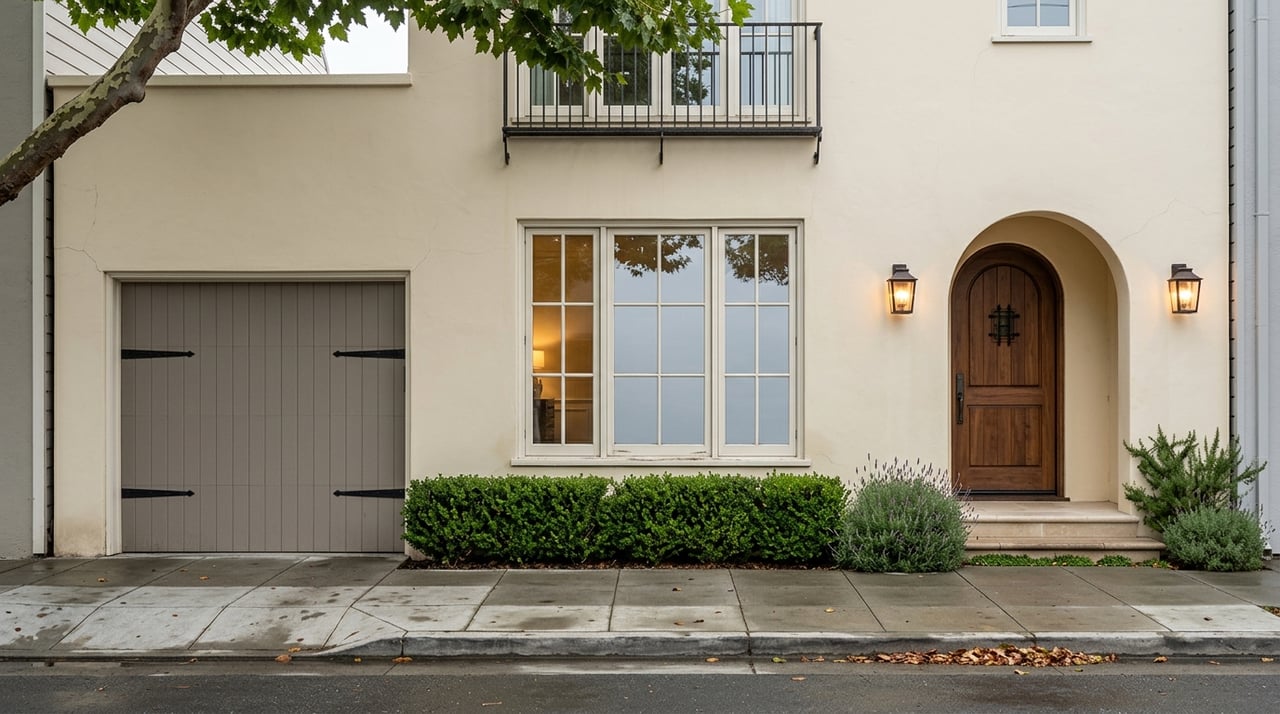
A single-family home in the Richmond District often looks very different from what buyers picture in more suburban markets. According to San Francisco Planning’s Richmond District materials, almost 90% of buildings in District 1 are two stories or less, with 60% at two stories and 29% at one story.
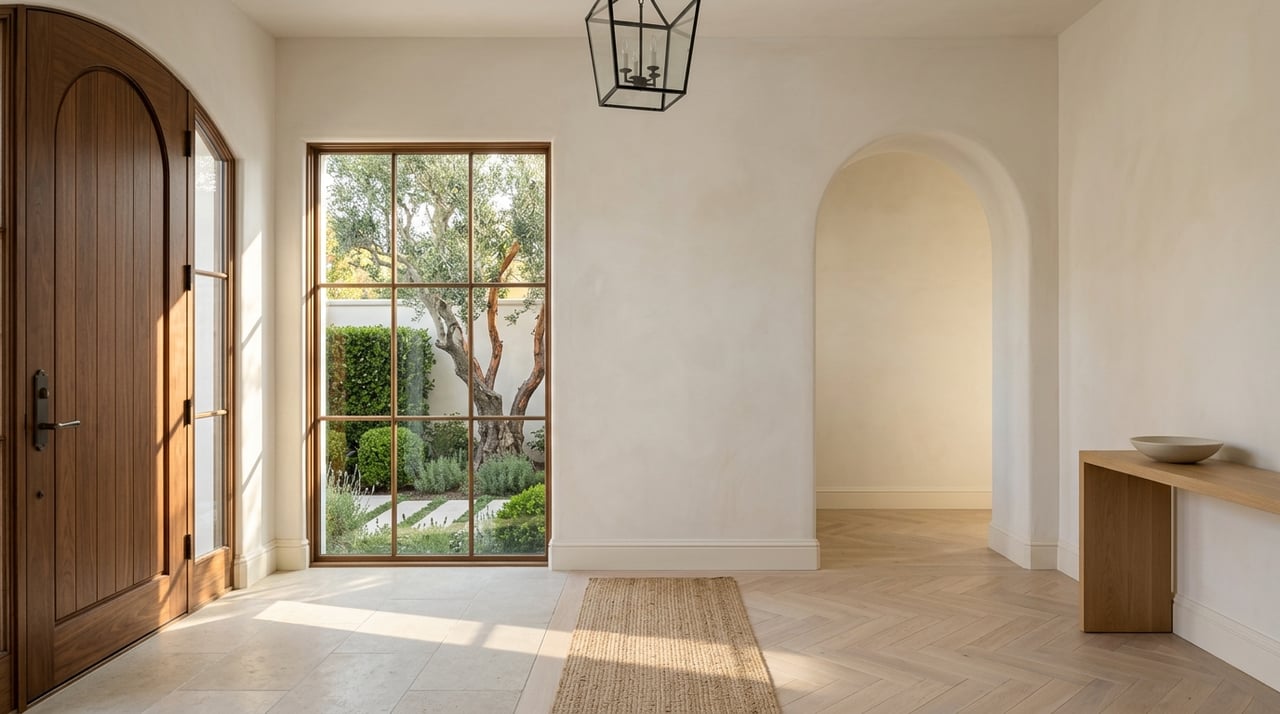
That low-rise pattern shapes the feel of the neighborhood. You will often see rows of older stucco-clad homes on narrow lots, with architectural styles that include Spanish Colonial Revival, Mediterranean, French Provincial, Tudor Revival, and Streamline Moderne. In practical terms, many Richmond single-family homes feel compact, urban, and character-rich rather than oversized.
How lot size affects daily living
The Richmond’s single-family housing stock is closely tied to San Francisco’s residential lot rules. SF Planning’s residential district summary notes that minimum lot width is typically 25 feet in most residential districts, with rear-yard requirements that preserve a meaningful portion of the lot for open space.
For you as a buyer, that often means homes that are narrow and deep, with modest front yards, usable rear yards, and limited side setbacks. This is one reason floor plans can feel vertical or elongated, especially in older homes that were built to make the most of the lot.
Block-by-block differences matter
Not every part of the Richmond feels the same. Richmond District planning materials note that blocks west of Park Presidio generally have larger mid-block open space than denser blocks near the Geary and Clement corridors.
That distinction matters when you tour homes. Two houses with similar square footage can live very differently depending on their block pattern, rear-yard context, and how much surrounding open space there is. If you are comparing listings, it helps to evaluate not just the house itself but also the rhythm of the block.
Expect a cooler, foggier microclimate
The Richmond’s location near the Pacific shapes day-to-day living in a real way. NOAA’s Coast Pilot explains that marine-layer fog and low clouds often move into San Francisco through the Golden Gate in the late afternoon or evening, become most widespread overnight into early morning, and usually begin clearing by mid-morning.
For Richmond buyers, that usually translates into a cooler, foggier feel than you may find in many inland parts of the city. This is especially relevant if you are house hunting from the East Bay or from sunnier San Francisco neighborhoods. Light, warmth, and even outdoor-use patterns can vary meaningfully depending on how far west a home sits.
Richmond pricing is still premium
One common mistake buyers make is assuming the Richmond is a lower-cost alternative to the rest of San Francisco. The numbers do not really support that. Zillow’s March 31, 2026 home value index places 94118 at $2,069,745 and 94121 at $1,699,526, compared with 94122 at $1,625,684 and 94131 at $1,659,812.
That means Richmond pricing can sit above nearby comparison points like the Inner Sunset and Noe Valley, depending on which ZIP code you are looking at. While value always depends on the specific home, the district is not a hidden bargain. What it can offer, though, is a strong space-for-money proposition within San Francisco for buyers who want a single-family property with traditional architecture and outdoor space.
Competition can move fast
The Richmond is also a market where timing matters. Redfin’s Inner Richmond housing market data shows a median sale price of $1.991M last month, homes selling in about 16 days on average, a 115.5% sale-to-list ratio, and 77.8% of homes selling above list price.
Those numbers point to a very competitive environment. If you are serious about buying here, you should expect desirable listings to move quickly, multiple-offer scenarios to be common, and shorter contingency timelines to appeal to some sellers. Preparation matters as much as budget.
What to do before you write an offer
In a market like this, your best advantage is being ready before the right house hits. That means understanding your financing, your target blocks, and your must-haves before you start making emotional decisions under pressure.
A smart prep list often includes:
- Getting fully underwritten or strongly pre-approved with your lender
- Reviewing recent Richmond sales in the micro-area you want
- Deciding where you can be flexible on layout, yard size, or updates
- Planning for a competitive offer environment
- Reading disclosure packages quickly and carefully
When you know your priorities in advance, you can move faster without feeling rushed.
Inspections are especially important here
Because many Richmond single-family homes are older, the inspection phase carries extra weight. The California Department of Real Estate consumer guidance recommends a full professional home inspection and specifically calls out systems and components such as electrical, plumbing, HVAC, roof, foundation, structural integrity, septic if present, and solar if present, along with a termite or pest inspection.
In the Richmond, age and original construction details can make this especially relevant. Even when a home shows beautifully, you want a clear picture of deferred maintenance, system upgrades, and any larger repair items that may affect your budget after closing.
Do not skip the 3R report
In San Francisco, permit history is a key part of due diligence. The research report notes that buyers should request the 3R report, which SF.gov requires for the sale of residential dwellings and which provides permit history for the property.
That can help you understand what work has been documented over time. If a home has had additions, remodels, or system changes, permit history can add important context as you evaluate condition and long-term value.
Lead-based paint disclosures matter
If you are buying an older Richmond home, there is a good chance it was built before 1978. The research report notes that for pre-1978 homes, sellers must provide lead-based-paint disclosures and give buyers time to inspect for lead hazards.
This does not mean every older home has a major issue. It does mean you should take the disclosure and inspection window seriously, especially if you are planning renovations soon after purchase.
Transit is a real Richmond advantage
For many buyers, the Richmond’s transit network is one of its strongest practical benefits. SFMTA route information for the N Judah says the line runs 24 hours daily and serves Civic Center, Powell, Montgomery, and Embarcadero stations, continuing downtown to Caltrain.
The research report also notes that the 38 Geary runs 24 hours daily and connects the Richmond to the Salesforce Transit Center, while the 5 Fulton runs 24 hours daily with weekday 5R Fulton Rapid service west of 6th Avenue. If you commute downtown, that range of service can support a more car-light lifestyle than many buyers expect on the west side.
How to evaluate the right Richmond fit
Buying in the Richmond is not just about finding a nice house. It is about matching your budget, commute, block preference, and tolerance for microclimate to the right part of the neighborhood.
As you compare homes, focus on questions like these:
- How much natural light do you want, given the district’s fog patterns?
- Do you prefer denser commercial corridors or quieter residential blocks?
- Is rear-yard space a priority?
- How important is fast access to Geary, Fulton, or rail connections?
- Are you comfortable taking on an older home with future upgrade needs?
The more clearly you answer those questions, the easier it is to filter listings and avoid overpaying for features that do not actually fit your lifestyle.
Richmond buyers need strategy and context
The Richmond District offers something increasingly hard to find in San Francisco: established single-family housing with architectural personality, practical outdoor space, and strong city connections. It is also a market where block-level context, fog patterns, inspection diligence, and offer strategy all matter.
If you are considering a move here, having a data-informed plan can make the process feel much more manageable. If you want help evaluating Richmond single-family opportunities with clear local context and a competitive buying strategy, connect with Analise Smith-Hinkley to schedule a consultation.
FAQs
What are single-family homes in the Richmond District usually like?
- Most are older, compact urban homes on narrow lots, often one or two stories, with classic San Francisco architectural styles and modest outdoor space.
How competitive is buying a single-family home in the Richmond District?
- Recent market data in the research report shows Inner Richmond is very competitive, with many homes selling above list price and moving quickly.
What inspections should you get when buying a Richmond District house?
- A full professional home inspection is recommended, along with pest or termite inspections and careful review of major systems, roof, foundation, and structural integrity.
Why is the 3R report important for a San Francisco home purchase?
- The 3R report provides permit history for the property, which helps you understand documented work and supports stronger due diligence.
What should you know about the Richmond District microclimate before buying?
- Because of its western location near the coast, the Richmond often feels cooler and foggier than inland parts of San Francisco, especially overnight and in the morning.
Is the Richmond District a good option for downtown commuters?
- It can be, because the neighborhood has strong transit connections through the N Judah, 38 Geary, and 5 Fulton routes, including 24-hour service on key lines.