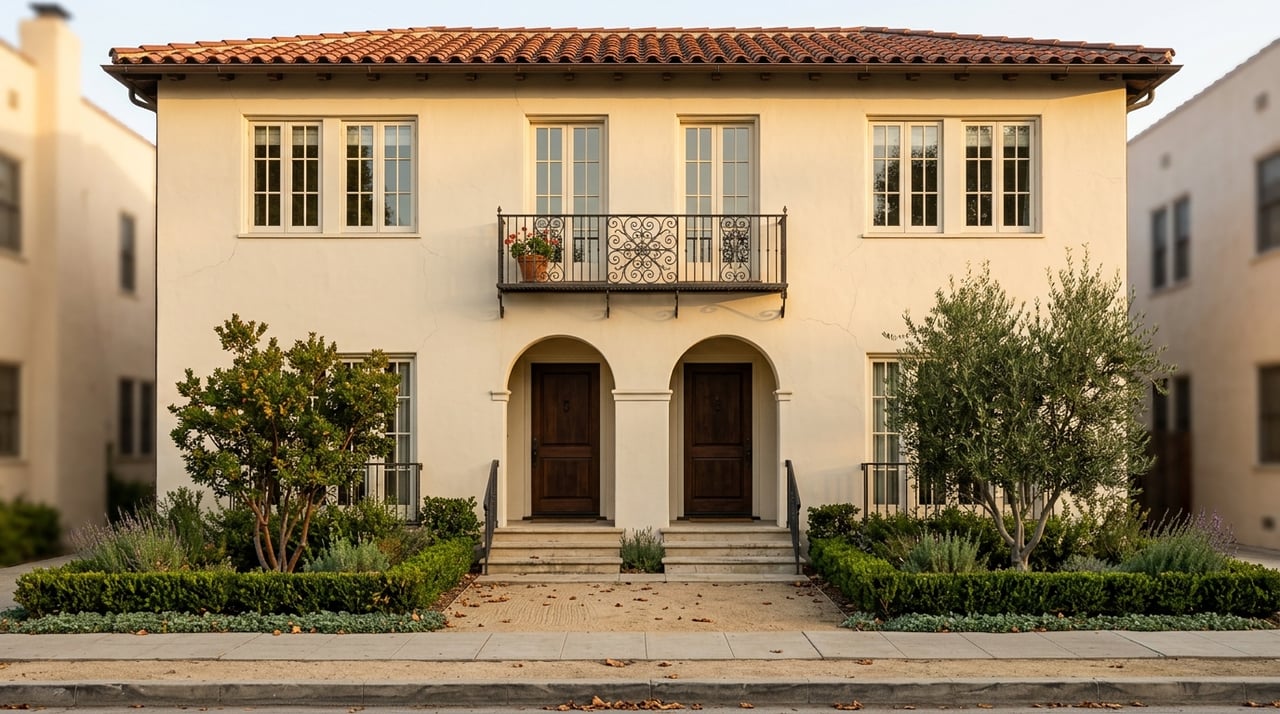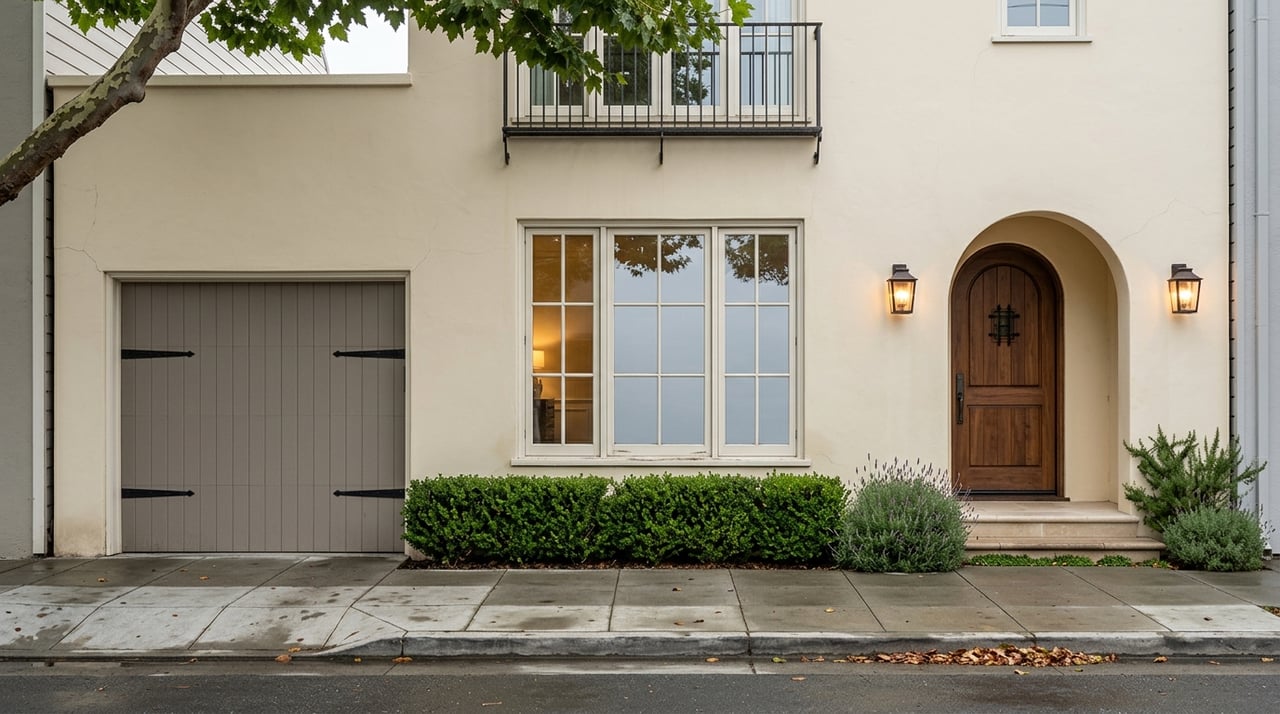
Thinking about buying or selling in the Richmond District and wondering when the timing works in your favor? You are not alone. San Francisco’s west-side market follows a reliable rhythm most years, and understanding that rhythm can help you plan with less stress and better results. In this guide, you will learn when listings and offers typically surge, where they slow, and how to prepare your timeline so you are ready when the right home or buyer appears. Let’s dive in.
How seasonality works in the Richmond District
Most years, Richmond District activity builds in late winter, peaks in spring, stays active into early summer, and makes a smaller run in the fall. Late November through January is usually the quietest stretch. These patterns reflect school calendars, hiring cycles, weather and daylight, and typical lender and tax timing.
The Richmond’s housing mix skews toward single-family homes, two-to-four-unit buildings, and older condos. Inventory is limited compared with downtown high-rise areas, so well-prepared buyers and sellers often see sharper competition during active months. The neighborhood’s cooler, foggier microclimate softens curb appeal a bit in summer but does not fundamentally change listing cadence.
Spring: the primary peak
Late February through June is the main season for new listings and strong buyer turnout. Multiple-offer situations are more common, Days on Market tend to shorten, and clean terms carry extra weight. Sellers often plan for spring to meet higher buyer demand, while buyers who secured pre-approvals over winter jump in ready to move.
If you are selling, lean into professional presentation and accurate pricing so you do not go stale. If you are buying, be fully underwritten, tour early, and stay nimble with your offer terms so you can act quickly on the right fit.
Early summer: families and logistics
From June to mid-August, activity stays solid but can feel more fragmented. Families often time moves for late spring and summer, which keeps competition high for single-family homes. Inventory can thin as spring sellers close and others hold until fall.
If you plan to move in summer, book movers and key vendors well in advance. Expect busy weekends and faster timelines around inspections and appraisals. For buyers, strong preparation remains vital when a good home appears.
Fall: a strong second window
September and October usually bring a secondary surge. Sellers who missed spring often list, and buyers who paused for summer re-enter. The pace is competitive but usually a bit less intense than spring.
Fall can be a great time to buy if you want more time to evaluate options, and a smart moment to sell if you prefer to avoid the spring rush. Many clients aim to close before year-end to match personal or school schedules.
Late fall to mid-winter: quiet but strategic
Late November through January is the slowest stretch for listings and showings. This is when you may see fewer open houses and longer Days on Market. Motivated buyers and sellers still transact, and well-priced, compelling properties can stand out due to reduced competition.
If you are selling in winter, expect fewer showings but potentially more serious buyers. If you are buying, use the quieter season to negotiate on price or terms, and confirm seasonal maintenance items like heating performance.
What can change the pattern
Seasonality is a guide, not a rule. Interest-rate shifts, changes in mortgage availability, and major local employment news can amplify or mute activity. Sudden inventory from investor sales or new projects can also change the balance of power.
Subareas within the Richmond can behave differently. Eastern Richmond closer to transit and amenities may draw stronger demand at times than the Outer Richmond. Luxury single-family homes often follow owner-driven timelines and commonly avoid major holidays.
Seller timelines and tactics
If you are aiming for a spring launch, begin 8 to 12 weeks ahead. Use this checklist to stay on track:
- 8–12 weeks out: Meet with your agent, review a comparative market analysis, gather disclosures and HOA documents if applicable, and schedule bigger repairs or bids.
- 6–8 weeks: Declutter, complete deferred maintenance, and line up staging and photography quotes. Apply for permits if needed.
- 3–4 weeks: Hire the stager and photographer, consider a pre-listing inspection, and finalize pricing and marketing plans.
- 1–2 weeks: Deep clean, complete staging, schedule photos and a virtual tour, prep your disclosure package, and set the launch date while avoiding major holidays.
Timing guide: Late February to March is ideal for spring. Late September to October works well for fall. Winter can work strategically if you price to market and lean into a strong presentation.
Seller tips for the Richmond:
- Pricing: Spring rewards accuracy. Overpricing risks a stale listing, especially with limited but savvy buyer pools.
- Presentation: In foggier months, prioritize warm interior staging, layered lighting, and clear signage. Highlight outdoor living when the weather is brighter.
- School timing: If you need to align with breaks, coordinate closing dates early with your agent and buyer.
Buyer timelines and tactics
If you want to compete in peak windows, start your prep 6 to 8 weeks early. Build your plan around these steps:
- 6–8 weeks before the peak: Secure a full mortgage pre-approval, connect with a local agent, and define must-haves vs. nice-to-haves.
- 2–4 weeks before: Tour actively to learn pricing and typical condition, and line up inspectors and advisors for quick turnarounds.
- When listings hit: Be ready with earnest money, clear contingency plans, and offer documents. Speed and clarity matter when inventory is tight.
Buyer tips for the Richmond:
- Competitive terms: Escalation clauses and cleaner terms appear more in spring. Use them carefully with professional guidance.
- Risk and contingencies: Balance risk tolerance with current competition. In hot weeks, sellers may prefer fewer contingencies.
- Microclimate and lifestyle: Visit properties at different times to gauge fog, parking, and weekend activity.
Moving and logistics in San Francisco
Summer and weekends are popular for moves, so book movers 6 to 8 weeks ahead in peak months. In off-peak months, 2 to 4 weeks is often enough. If you need curbside space for a truck, plan your parking and any permits at least 2 to 4 weeks before moving day.
Start utility transfers and school enrollment changes 2 to 4 weeks before closing so everything is ready when you get your keys. If you are crossing neighborhoods, double-check service provider schedules and availability.
Richmond microclimate and showing strategy
Expect cool, foggy stretches in many months. Tailor your staging and showing plan to this reality. Use warm lighting, layered textures, and elevated photography to showcase interiors.
When the sun cooperates, highlight outdoor spaces like yards, decks, and patios. Clear, professional signage helps drive open-house traffic on busier corridors like Geary and Balboa.
Putting it all together
For most buyers and sellers in the Richmond District, spring brings the most listings and the fastest pace, fall provides a strong second window, and winter offers quieter opportunities for strategic moves. Your best timing still depends on your personal goals, financing, and the specific property type.
If you want a planning partner to map your next steps and build a tailored timeline for the Richmond, I am here to help. Reach out to schedule a thoughtful conversation about your goals and the current local data.
Ready when you are. Connect with Analise Smith-Hinkley to line up your best season.
FAQs
Is spring always best to sell in the Richmond District?
- Spring typically brings the most buyer traffic, but the best timing depends on your goals, current rates, and nearby inventory; fall is a solid second window.
Will a winter listing in the Richmond District sit longer?
- Winter is usually the slowest period, so Days on Market may rise, but motivated buyers are still active and strong pricing and marketing can help results.
Do families create a summer bump in Richmond single-family demand?
- Yes, many family moves cluster around late spring and summer, which can increase competition for single-family homes in those months.
How far in advance should I prepare to list a Richmond home?
- For a spring launch, start 8 to 12 weeks ahead to complete repairs, staging, disclosures, and a clear pricing and marketing plan.
How does the Richmond microclimate affect open houses and staging?
- Fog and cooler weather reduce exterior impact, so emphasize interior lighting, warm staging, and high-quality photography year-round.